Advertisement

Goat Breeding Tips for Livestock Farmers (Urdu)

In order to get maximum meat and milk Beetal, Daira Deen Panah, Nachi, and Teddy Breeds.....

Mango Amazing Facts

The mango is known as the 'king of fruit' throughout the world. The name 'mango' is derived from the Tamil word 'mangkay' or 'man-gay'. When the Portuguese traders settled in Western India they adopted the name as 'manga'.

Pomegranate(Punica granatum) Cultivation and Farming

Pomegranates are fairly drought tolerant and can be grown on either calcareous or acid soils. Climate - Grow best in dry climates with mild winters. Chilling requirement

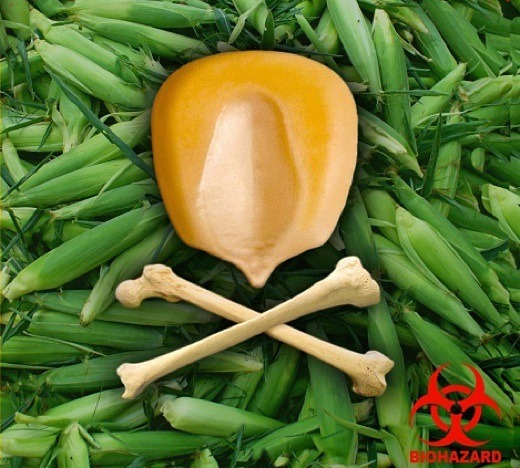
EU may also ban Monsanto GMO in wake of shocking cancer findings

Russia's consumer protection group, Rospotrebnadzor, said it was halting all imports of GM corn while the country's Institute of Nutrition will be evaluating the results of the study.

Protect Garden Pots during Winter

Many pots, especially ornamental containers that aren’t designed to stand outside in freezing temperatures, need winter protection. Wrap them up in burlap (possibly double layers), and secure tightly at the top and bottom with strong garden string.

Sustainable Agriculture and Fertilizers Practices in Pakistan

Agriculture is the mainstay of Pakistan’s economy. It has a total area of 79.61 million hectare, and the total area used for crop production is only 22 million ha.

Herbs For Winter Windowsill

Growing season is over, do you still find yourself ready to dash out to the garden for some chives, basil or a sprig of thyme...

Claim FREE EBook

Once you subscribe you will get a confirmation email from eagri about joining the mailing list.

Advertisement

Sunday, December 16, 2012

Will Monsanto destroy Mexico's corn?
In 2007, Mexico's Chambers and Congress passed the "Law of Seeds" that prohibits farmers from trading or selling seeds they had cultivated [EPA]
Felipe Calderon, the president of Mexico until the start of this month, has already relocated to his Cambridge, Massachusetts, home to fulfill his year-long fellowship at Harvard's Kennedy School of Government. On the way out of his country, he left the door open for multinational biotech companies, including Monsanto, DuPont and Dow Chemicals, that are on the prowl for new land to plant their genetically engineered crops after being all but booted from the European markets.
When GE corn was introduced in the mid-90s, Mexico was inhospitable to the new-fangled crop. The country's National Biosecurity Commission established a (non-legally binding) moratorium on genetically engineered corn in 1998 as a means to safeguard what is considered to be the planet's cradle of maize cultivation.
Corn has been carefully tended in Mexico for eight millennia and environmental conservationists report that thousands of peasant varieties are still grown throughout the country. With an estimated 75 per cent of the planet's biodiversity vanished as of 1995, Mexico's heterogeneous corn fields are a rare vestige of the age prior to the "Green Revolution" era that is responsible for the artificially and unhealthily homogenous industrial agriculture that is prevalent now.
Introducing GE corn to Mexico would sound the death knell for this precious ecology as it is widely agreed that GE crops cannot co-exist with conventionally bred seeds.
Traces of GE in corn
Despite institutional protections against GE corn, neoliberal policies have already enabled certain strains of GE corn to intermingle with Mexican maize, a fact that was discovered in 2001 by UC Berkeley Professor, Ignacio Chapela.
Mexico's 'people of corn'
Thousands of tonnes of corn that began inundating Mexico from, primarily, the US (mostly for non-human consumption) after the signing of NAFTA in 1994 ensured that the promiscuous plant's pollen blew onto the pristine fields of small farms. As of today, it is estimated that at least one per cent of Mexico's corn has traces of GE.
But perhaps of more immediate threat to the magnificent biodiversity of Mexico's maize is the country's politicians' willingness to succumb to the pressure of big biotech companies. Over his past six years in office, Calderon has overseen the whittling away of the above-mentioned safeguards.
In 2007, Mexico's Chambers and Congress passed the "Law of Seeds" that prohibits farmers from trading or selling seeds they had cultivated. And two months after Calderon met with the president of Monsanto, Hugh Grant, at the annual World Economic Forum in Davos, Switzerland, in January 2009, he lifted the 1998 moratorium on GE corn. This triggered a flood of applications for permits - the first of which came from Monsanto - to begin planting genetically modified maize.
And, earlier this year, Mexican legislators came close to passing a bill that would modify the Federal Law on Plant Varieties which would promote privatising patents of certain breeds of plants.
Comparable to how the enclosure acts in England created a landless working class, this legislation in Mexico would create a class of seedless farmers, planting the "property" (seeds) of transnational corporations that have monopolised the market for maize seeds. Thus, what is now controlled by the country's farmers would become the private property of corporations.
However, Mexican farmers, small and large, responded to the proposed bill with forceful opposition, knowing full well the devastation that mono-cropping with bioengineered seeds would have on them - the examples provided by South and East Asia doubtless providing a stark warning.
Veronica Villa, from the Colonia Insurgentes Mixcoac in Mexico City, explained to me that both commercial farmers of maize in the North and small indigenous farmers in the South (whose agricultural fields remain largely collective property and are used primarily to feed themselves) both fear the onslaught of GE corn.
Those in the North fear the high costs and debts associated with transgenic corn, while the farmers in the South are the primary protectors of thousands of ancient varieties.
Ecological destruction
On the eve of elections, in a small but important victory, the highly unpopular bill was not presented to Congress, and the grassroots agricultural movement succeeded in keeping their own demise at bay for that moment. However, the bill is still pending and will likely be floated before Congress at a more politically opportune time.
"While biotech companies have tried to float their products as being necessary in an era of climate-change, empirical studies have shown that the best defence for corn-farmers is diversity."

Also still pending approval are requests by Monsanto and DuPont to plant 2,500,000 hectares of GM corn, which would signal a watershed in the agricultural landscape of Mexico. While Calderon left office before granting his blessing on the arrangement, all signs indicate that new President of Mexico, Enrique Pena Nieto, will be happy to put his imprimatur on the sweetheart deal for Big Biotech.
Mexico's deputy agriculture secretary, Mariano Ruiz, told the press that the new president supported the introduction of large-scale GMO corn cultivation, saying, "I think we are in agreement generally over the importance of having this instrument, and that farmers have the tool of genetically modified organisms".
Of course, farmers have all the tools they need without the meddling of chemical companies. While biotech companies have tried to float their products as being necessary in an era of climate-change, empirical studies have shown that the best defence for corn-farmers is diversity.
Doug Gurian-Sherman, Senior Scientist with the Union for Concerned Scientists, warns of the far-reaching impact that supplanting Mexico's diverse maize plants with an industrial model could have. "Their diverse seeds contains many important traits like drought tolerance and pest resistance that we need going forward. If we lose them, we're going reduce our ability to respond to climate change and other threats to maize."
Meanwhile, as Monsanto burrows into Mexico's cornfields, the biotech giant digs its rapacious claws further into the US - its single largest source of profits. The US Congress is expected to pass the FY 2013 Agriculture Appropriations Bill with the disturbingly anti-democratic "Monsanto-rider" embedded in the 90-page agreement, which would require the Secretary of Agriculture to override any federal court injunction on a GE crop and grant it a temporary permit.
As long as politicians do not stand up for the health of their citizens or their land, biotech companies will reap profits in the grim wake of human and ecological destruction.
Charlotte Silver is a journalist based in San Francisco and the West Bank. She is a graduate of Stanford University.
Follow her on Twitter: @CharEsilver
1194
The views expressed in this article are the author's own and do not necessarily reflect Al Jazeera's editorial policy.

Raising Sheep and Natural Rhythms


With raising sheep we respect natural rhythms beginning with the following basics:
  • Starting with a flock of sheep suited to the environment and production year
  • Building a flock of animals that are prime candidates for a natural grass based system with the goal to develop those genetics
  • By selecting ewes and replacement ewe lambs who thrive on grass we will also be selecting for enhanced sheep health and disease resistance
  • Lambing on pasture when there is an abundance of fresh grass to feed the ewes. If there is fresh grass it means the climate is warmer and that works in favour of the newborns
  • Keeping ewes which are capable of raising lambs with ease and unassisted and who have the smarts to know which lambs are theirs
  • Grazing sheep on grass for as long as possible every year. After the grass has become inaccessible finding ways to feed on pasture so animals remain there.
  • Learn and utilize the benefits of raising sheep flocks on grass environments to improve upon our main resource, the grass
  • Selecting sheep that are capable of finding shelter during poor weather. This is a learned survival trait that is taught to lambs
  • Selecting for strong flocking instinct. This is one way sheep are able to protect themselves from predators such as the coyote
In a sense, sheep evolved this way. As a species they survived sufficiently enough without barns or two legged surrogate moms or even guardian animals. If sheep can do all of this then sheep ranching just got a little easier and possibly more profitable.
As our good friends taught us, always on our mind is how to make sheep work for us versus us working for the sheep.
This paradigm shift from working excessively hard to keep a ranch going, to making a ranch work for us, has had a tremendous impact on how we operate.

Sheep Shearing Tips

 
Utilize these sheep shearing tips to help you keep pace on shearing day.
When you're trying to get through shearing a few hundred wool sheep or more, being ready for the day will help everyone stay on task.
  • Bring the flock in the day before shearing
    Having the flock under cover will keep them dry. Wet wool does not shear or store well. Most shearers will decline shearing your sheep if the fleece it too wet.
  • Prevent the flock from feeding and watering the night before
    The shearer needs to handle the animal and hold it in a secure position when clipping the fleece. This is far more comfortable for the ewe if she doesn't have a belly full of feed. Since the rumen can hold quite a bit of food it also makes the shearers job easier if the animal is empty.
  • Set up in advance
    If your system is a portable one, set up the pens and race ahead of time. If it is a permanent set up make sure any repairs are done and the system is operational. The shearing crew are busy people and having to wait for set up only delays them for the next farm down the line.
  • Sort your animals prior to shearing
    Keep animals of different wool types separate. This will aid you when it comes to the wool grading process.
  • Have extra help on hand
    wool ballThis sheep shearing tip can really make the difference on shearing day. Hire extra hands if needed.

    It can be a long day trying to keep up to a crew of shearers without having the assistance you need. You also hold the shearers back when you don't have enough help to keep up to them. As a rule of thumb have one person per shearer plus two to three extra for other jobs like moving sheep and packing wool.
  • Consider doing other flock treatments at the same time
    You'll have the flock in anyway and if you can manage with an spare person to take on the extra duty, shearing day can also double as opportunity to do an annual flock treatment like vaccination.
  • Have a head gate at the end of the race
    Catch the first ewe to come down the race in the head gate and leave her there. She'll stand comfortably and will draw the remaining animals up the race. This is one of the simplest sheep shearing tips to put into practice yet it can make a world of difference to how the day progresses.

  • Prepare meals ahead of time
    One of the highlights of shearing day is that it involves a meal with friends. It's often customary to feed the shearing crew and the extra help who have graciously assisted.
    We often plan meals that can be put on to cook while we work. We've also utilized the cooking talents of family members and have had them attend to the cooking for us.
    If the day is long every ones spirits will be kept up with breaks for coffee and snack refreshments for energy. Our shearing crew enjoy healthy snacks that won't make them tired such as fruit and granola bars.

  • Be flexibleSometime the shearers can't get to you on the scheduled day. Delays at previous stops can add up in a hurry. Don't be angry if the shearer phones to say he can't make it. Consider that he's also trying to keep a feasible schedule and route and is relying on a whole lot of other people being ready. A good shearer will be sure to come back and fit you in.

Promotion olive Cultivation for economic development in poverty alleviation

Promotion olive Cultivation for economic development in poverty alleviation


The plans to plant olive saplings in KP and the rest of Pakistan can bear fruit

By Tahir Ali

With high global demand and rising prices in the international market and Pakistan’s annual edible oil import bill exceeding $2bn, the rationale of recent olive cultivation initiatives in the country cannot be overemphasized. Olive demand globally is on the rise. Germans are using five times more and British ten times more olive than they did in 1990. In America, olive demand is growing by 6pc annually for two decades now. Olive prices in world market have doubled to $3,400 a ton recently. Pakistan has over 0.8mn hectares of wasteland suitable for olive cultivation. An official of the now defunct Pakistan Oil Seeds Development Board (PODB) had told this writer that by covering the area with olive plants, Pakistan can produce around 1.84mn tons of olive oil. This would fetch over $6bn at the current rate of olive in world market.
The Pakistan agricultural research council (PARC) has begun implementing the project “Promotion of olive cultivation for economic development and poverty alleviation” whereby olive plants will be cultivated on 300 hectares in Balochistan, 100 hectares in KP, 300 hectares in federally administered tribal areas and 100 hectares in the Pothohar region of Punjab. The Rs382mn project to be completed in three years is being under the Pakistan Italian debt-for-development swap agreement.
The Punjab Agriculture and Meat Company also plans to develop 10 certified nurseries. These nurseries –being opened through private sector in Attock, Rawalpindi, Chakwal, Jehlum and Khushab districts –would have a catchment area of 27000 acres and would have an impact of $78mn. The potential area suitable for olive cultivation is around 8mn acres in Punjab of which 0.4mn is being targeted though this initiative. Total impact of this land, if covered, would be $1.16bn.

Similarly, in KP’s budget for 2012-13, a Rs100mn project –research and development on European olive and maintenance of model olive farm Sangbhatti Mardan –has been started and allocated Rs15mn this year. As the PODB stands dissolved, Sangbhatti olive farm, one of its assets, has been handed over to the directorate of agriculture research in KP. “The department will provide olive plantlets, grafts and buds produced in the Sangbhatti farm to farmers. Though the production of olive nursery is limited at present, it is nevertheless sufficient for the time being,” says an official of KP agriculture ministry wishing anonymity. “Despite our efforts, mass resort to olive plantation is however unlikely in the immediate future,” the official adds.
Pakistan has been unable to increase its olive acreage and yield for indifference by successive governments, lack of private sector’s interest, focus on other cash crops, security situation in KP and tribal belt, too few olive nurseries and marketing worries. It only has 1130 acres of land under productive olive trees and the crop is yet to be inserted into the cropping system. The question arises: will the new initiatives succeed?

While olive farmers usually grow olive haphazardly, the problem is multiplied by non-availability of standard olive plants and restricted mobility of local and foreign experts in the olive-rich but militancy-hit tribal belt, KP and Balochistan. This explains why there has been of late a shift of focus to other parts of the country. Olive acreage and yield could be increased by providing quality seed, polythene rolls for wrapping round the buds/grafts to save them from cold and moisture, modern training and marketing support to olive farmers. Have similar interventions been planned?
Pakistan has over 0.8mn hectares suitable area for olive but as most farmers on fertile lands prefer other crops, the potential area may be around 0.264mh. Even if a third of this area is brought under olive cultivation, around 25mn olive seedlings would be needed (@250 trees per hectare) over the next few years. Has this been considered? Pakistan need to shift to tissue culture technology, standardise its nursery production and open more germplasm units to provide enough olive seeds, buds and grafts. Olive tree usually bears fruit after 4-5 years. However, Sultan Ali Khan, a farmer from Swat, says his community had grafted around 40000 wild olive trees but only 5000 of them have been successful and have started bearing fruit after 7-8 years. Shafeeq Ahmad from Swari, Buner says an olive plant could bear over 40-45kg of fruit if sufficient care, protection, pesticides and fertilisers are provided to the plants.

“We planted 600 olive plants on a mountain ridge around ten years ago but it is yet to bear plentiful fruit. Bearing of fruit was late and paltry because the orchards could not be looked after well nor were provided sufficient and timely doses of fertiliser and pesticides as the farmers were not given guidance and help,” he tells TNS. Another problem is that very ambitious projects are launched but are later forgotten. For example, there is no mention of the projects of establishment of olive orchards in KP and that of research, development and promotion of olive in KP which were allocated funds in the last two budgets but not in this fiscal and have been left out incomplete. A report on the Malakand olive development prepared by ISCOS, an international organisation, had urged induction of more olive technicians, modern training for them and increase in their salaries, introduction of a system of reward for successful olive farmers, subsidized provision of olive plants, and interaction between all the stakeholders in the olive production chain. The PODB had converted quite a few wild olive plants into fruit bearing trees. That process needs to be continued.

The planners also need to ensure olive production is developed on commercial lines and its enterprises facilitated. Olives are grown by the methods of budding and grafting of wild olive trees or planting of new trees. However, farmers have found the method of grafting most successful. A research showed that around 80-90pc olive trees grown through T-Grafting technique from August to September were successful. The areas with an altitude between 400 and 1,700 meters, slope of 20°, rainfall between 250 mm and 1,000 mm and having a warm, semi arid, winter rain climate are mostly suitable for olive plants. Olive trees can endure low temperature of even -9° C but these can hardly tolerate it at vegetative stage. It however needs a bit low temperatures in winter to be able to produce good amount of inflorescences and flowers in spring. The common diseases in olive plants are trunk decay, sooty mould and peacock spot, which decay and dry up the tree. The olive trees need more nitrogenous fertilizer than phosphorous and potash. The latter two fertilizers should be mixed in the soil before planting of trees at the rate of 200 kg and 300 kg per hectare respectively. Best time of nitrogen fertilizer is pre-flowering and stone-hardening stage.


Reference by: "THE NEWS" (Dated: 07th Sept. 2012)

The New breed: Pakistan olive plantation intiatives

With high global demand and rising prices in the international market and Pakistan’s annual edible oil import bill exceeding $2bn, the rationale of recent olive cultivation initiatives in the country cannot be overemphasized.
Olive demand globally is on the rise. Germans are using five times more and British ten times more olive than they did in 1990. In America, olive demand is growing by 6% annually for two decades now. Olive prices in world market have doubled to $3,400 a ton recently.
Pakistan has over 0.8mn hectares of wasteland suitable for olive cultivation. An official of the now defunct Pakistan Oil Seeds Development Board (PODB) had told this writer that by covering the area with olive plants, Pakistan can produce around 1.84mn tons of olive oil. This would fetch over $6bn at the current rate of olive in world market.
Olive is used in foods, pickles, medicines, food preservation, textile industry and cosmetic preparation etc. Special restaurants dealing in olive foods have also been opened in various cities of the country.
The Pakistan agricultural research council (PARC) has begun implementing the project “Promotion of olive cultivation for economic development and poverty alleviation” whereby olive plants will be cultivated on 300 hectares in Baluchistan, 100 hectares in KP, 300 hectares in federally administered tribal areas and 100 hectares in the Pothohar region of Punjab.
The Rs382mn project to be completed in three years is being under the Pakistan Italian debt-for-development swap agreement.
The Punjab government has declared the Pothowar region as Olive Valley. It recently distributed thousands of olive plants amongst olive growers and trained them.
The Punjab Agriculture and Meat Company also plans to develop 10 certified nurseries. These nurseries –being opened through private sector in Attock, Rawalpindi, Chakwal, Jehlum and Khushab districts –would have a catchment area of 27000 acres and would have an impact of $78mn.
The potential area suitable for olive cultivation is around 8mn acres in Punjab of which 0.4mn is being targeted though this initiative. Total impact of this land, if covered, would be $1.16bn.
Similarly, in KP’s budget for 2012-13, a Rs100mn project –research and development on European olive and maintenance of model olive farm Sangbhatti Mardan –has been started and allocated Rs15mn this year.
As the PODB stands dissolved, Sangbhatti olive farm, one of its assets, has been handed over to the directorate of agriculture research in KP.
“The department will provide olive plantlets, grafts and buds produced in the Sangbhatti farm to farmers. Though the production of olive nursery is limited at present, it is nevertheless sufficient for the time being,” said an official of KP agriculture ministry wishing anonymity.
“Despite our efforts, mass resort to olive plantation is however unlikely in the immediate future,” the official added.
Pakistan has been unable to increase its olive acreage and yield for indifference by successive governments, lack of private sector’s interest, focus on other cash crops, security situation in KP and tribal belt, too few olive nurseries and marketing worries. It only has 1130 acres of land under productive olive trees and the crop is yet to be inserted into the cropping system.
The question arises: will the new initiatives succeed?
While olive farmers usually grow olive haphazardly, the problem is multiplied by non-availability of standard olive plants and restricted mobility of local and foreign experts in the olive-rich but militancy-hit tribal belt, KP and Baluchistan. This explains why there has been of late a shift of focus to other parts of the country.
Olive acreage and yield could be increased by providing quality seed, polythene rolls for wrapping round the buds/grafts to save them from cold and moisture, modern training and marketing support to olive farmers. Have similar interventions been planned?
Pakistan has over 0.8mn hectares suitable area for olive but as most farmers on fertile lands prefer other crops, the potential area may be around 0.264mh. Even if a third of this area is brought under olive cultivation, around 25mn olive seedlings would be needed (@250 trees per hectare) over the next few years. Has this been considered?
Pakistan need to shift to tissue culture technology, standardise its nursery production and open more germplasm units to provide enough olive seeds, buds and grafts.
Olive tree usually bears fruit after 4-5 years. However, Sultan Ali Khan, a farmer from Swat, said his community had grafted around 40000 wild olive trees but only 5000 of them have been successful and have started bearing fruit after 7-8 years.
Shafeeq Ahmad from Swari Buner said an olive plant could bear over 40-45kg of fruit if sufficient care, protection, pesticides and fertilisers are provided to the plants.
“We planted 600 olive plants on a mountain ridge around ten years ago but it is yet to bear plentiful fruit. Bearing of fruit was late and paltry because the orchards could not be looked after well nor were provided sufficient and timely doses of fertiliser and pesticides as the farmers were not given guidance and help,” he told the TNS.
Another problem is that very ambitious projects are launched but are later forgotten. For example, there is no mention of the projects of establishment of olive orchards in KP and that of research, development and promotion of olive in KP which were allocated funds in the last two budgets but not in this fiscal and have been left out incomplete.
A report on the Malakand olive development prepared by ISCOS, an international organisation, had urged induction of more olive technicians, modern training for them and increase in their salaries, introduction of a system of reward for successful olive farmers, subsidized provision of olive plants, sensitizing farmers against cutting and grazing of animals in olive orchards and an in-depth dialogue and interaction between all the stakeholders in the olive production chain.
The PODB had converted quite a few wild olive plants into fruit bearing trees. That process needs to be continued.
The planners also need to ensure olive production is developed on commercial lines and its enterprises facilitated.
Where and how to plant?
Olives are grown by the methods of budding and grafting of wild olive trees or planting of new trees. However farmers have found the method of grafting the most successful. A research showed that around 80-90% olive trees grown through T-Grafting technique from August to September were successful.
The areas with an altitude between 400 and 1,700 meters, slope of 20°, rainfall between 250 mm and 1,000 mm and having a warm, semi arid, winter rain climate are mostly suitable for olive plants.
Olive production varies on the basis of temperature and rainfall. Rain falls abundantly in March (olive flowering season) and in summer in Pakistan. This rain pattern could pose threats for the olive cultivation –the first may heavily reduce the production and the second –rainfall in summer –could make it prone to various plant diseases. It requires extra care and more use of pesticides.
Olive trees can endure low temperature of even -9° C but these can hardly tolerate it at vegetative stage. It however needs a bit low temperatures in winter to be able to produce good amount of inflorescences and flowers in spring.
Olives require well drained soils for adequate growth. Heavily clayish or sandy soils or one prone to water logging should be avoided.
The common diseases in olive plants are trunk decay, sooty mould and peacock spot, which decay and dry up the tree.
The olive trees need more nitrogenous fertilizer than phosphorous and potash. The latter two fertilizers should be mixed in the soil before planting of trees at the rate of 200 kg and 300 kg per hectare respectively. Best time of nitrogen fertilizer is pre-flowering and stone-hardening stage.

Scientists discover bees can ‘turn back time,’ reverse brain aging

2 division of labor bees w larvae 150x150 Scientists discover bees can turn back time, reverse brain agingScientists at Arizona State University have discovered that older honey bees effectively reverse brain aging when they take on nest responsibilities typically handled by much younger bees. While current research on human age-related dementia focuses on potential new drug treatments, researchers say these findings suggest that social interventions may be used to slow or treat age-related dementia.
In a study published in the scientific journal Experimental Gerontology, a team of scientists from ASU and the Norwegian University of Life Sciences, led by Gro Amdam, an associate professor in ASU’s School of Life Sciences, presented findings that show that tricking older, foraging bees into doing social tasks inside the nest causes changes in the molecular structure of their brains.

 
“We knew from previous research that when bees stay in the nest and take care of larvae – the bee babies – they remain mentally competent for as long as we observe them,” said Amdam. “However, after a period of nursing, bees fly out gathering food and begin aging very quickly. After just two weeks, foraging bees have worn wings, hairless bodies, and more importantly, lose brain function – basically measured as the ability to learn new things. We wanted to find out if there was plasticity in this aging pattern so we asked the question, ‘What would happen if we asked the foraging bees to take care of larval babies again?”
During experiments, scientists removed all of the younger nurse bees from the nest – leaving only the queen and babies. When the older, foraging bees returned to the nest, activity diminished for several days. Then, some of the old bees returned to searching for food, while others cared for the nest and larvae. Researchers discovered that after 10 days, about 50 percent of the older bees caring for the nest and larvae had significantly improved their ability to learn new things.
Amdam’s international team not only saw a recovery in the bees’ ability to learn, they discovered a change in proteins in the bees’ brains. When comparing the brains of the bees that improved relative to those that did not, two proteins noticeably changed. They found Prx6, a protein also found in humans that can help protect against dementia – including diseases such as Alzheimer’s – and they discovered a second and documented “chaperone” protein that protects other proteins from being damaged when brain or other tissues are exposed to cell-level stress.
In general, researchers are interested in creating a drug that could help people maintain brain function, yet they may be facing up to 30 years of basic research and trials.
“Maybe social interventions – changing how you deal with your surroundings – is something we can do today to help our brains stay younger,” said Amdam. “Since the proteins being researched in people are the same proteins bees have, these proteins may be able to spontaneously respond to specific social experiences.”
Amdam suggests further studies are needed on mammals such as rats in order investigate whether the same molecular changes that the bees experience might be socially inducible in people.

Green Agriculture—The Next Hot Investment Sector?

Judging by the turnout and interest, green agriculture just might be the next hot investment sector.

Eric Wesoff: March 25, 2010
A surprising number of Silicon Valley investors and bankers gathered in the bucolic confines of the Four Seasons Hotel off of Highway 101 in Palo Alto, California to attend the Agriculture 2.0 Silicon Valley Event. I would hazard to say that the closest many of these folks have gotten to agriculture and soil is the Whole Foods produce aisle or perhaps a vineyard. (I actually had a brief but wildly successful stint as a commercial organic farmer, but that's another story.)

It's a testament to the power of the greentech meme that more than 250 Silicon Valley types came out to learn about sustainable farming, water, GMOs, seeds and biodiversity. In the audience were investors from Mohr Davidow, Greylock, Kleiner Perkins, USVP, Redpoint, Rockport, Khosla Ventures, DFJ, Foundation Capital and many more.

It's possible that VCs can do for agriculture what they've done for online dog food delivery, grocery delivery, and gyroscopic scooters. That is, invest in a field they know nothing about, and totally jam it up.
That being said, and now that I've gotten that last bit of snarkiness out of my system -- there are more than a few venture firms with experience in these specialized fields and a few investment professionals with applicable domain experience. And certainly, many of the investors speaking today have their heart in the right place. It was the first time I heard pro-vegetarian views and tales of yoga practices on a VC panel.
Panelist and Kleiner Perkins partner Amol Deshpande has worked for agriculture giant Cargill, at an indoor tilapia aquaculture firm and co-founded a company exploring germplasm in garlic. He believes that there is an investment opportunity in the agriculture space, but it is "painful and difficult to scale." Since coming to Kleiner Perkins he's been involved in two deals that are "notionally affiliated" with sustainable agriculture -- next generation organic waste management by Harvest Power and APT which is focused on water issues that are largely caused by agriculture. Deshpande describes himself as "very interested in this space."
Certainly the markets are huge. Agriculture accounts for 4 percent of the California economy according to Tom Tomich of UC Davis' Agricultural Sustainability Institute (agriculture also accounts for 8 percent of California energy use, 20 percent of California's land area and more than 40 percent of the state's fresh water use). Tomich also said, "The idea of the dumb farmer is truly a myth -- don't make that mistake," and, "Agricultural innovation responds to market forces."
Despite the size of the market, the big question for investors is: Are VC growth expectations and scaling requirements even feasible in the admittedly huge agricultural markets? Limited partners in VC firms aren't going to lower their expectations in order to invest in farms simply because it's the right thing to do. The hope is just as greentech became mainstream, so can green ag.

According to KP's Deshpande, "At KP we try to be creative, asking how can we change that industry." Along those lines, he mentioned in vitro meat production. (See this article in Beef Magazine and check out the work of Jason Metheny.)
Other investors with a green agriculture focus include Stu Rudick of Mindful Investors. Mindful invests exclusively in the natural, organic and sustainable consumer products and services marketplace. One of their portfolio firms, Organic Girl, sells organic greens and vegetables and had $150 million in sales in their second year of business.
And Jim Schultz of Illinois-based Open Prairie Ventures is also focused on agriculture with offices actually located in the middle of farmlands. One of their portfolio firms, Vestaron, is developing green pesticides based on spider venom.

Issues that can be addressed by green ag investors include water, nitrogen, phosphorous, synthetic fertilizer, local foods, aquaculture, pests, and the move towards organics.
Here is a small crop of examples of green ag companies that presented or exhibited at Agriculture 2.0:
AeroFarm Systems: Calling themselves "The Future of Urban Agriculture," AeroFarm is developing aeroponic technology for growers of "leafy greens" in the $4 billion bag salad market. The design of their farming systems uses no soil, a minimum of fertilizers and water, and can be stacked to maximize space. The company envisions using buildings in NYC to grows salad greens with enormous yields using LED-based lighting. The firm is pre-revenue, has raised $500,000 from The Quercus Trust and 21Ventures and is seeking a $5 million Round A.
Inka Biospheric Systems: Vertical food growing systems and "micro-farms" that support hydroponics -- suitable for urban gardens.
Local Dirt: An early-stage firm that matches producers of locally grown food with buyers.
Marrone Bio Innovations: Environmentally responsible products for weed, plant disease and invasive pest management. Marrone uses naturally occurring microorganisms for Integrated Pest Management -- insecticides, herbicides and products for controlling invasive mussels in waterways.
Open Blue Sea Farms: Open ocean, caged "free-range" fish farmers. Open Blue’s initial species is Cobia, a sashimi-grade, marine white fish, targeted for the gourmet seafood market, the upper 20% of the seafood industry in the U.S.
Pasteuria Bioscience: Nematodes, also known as roundworms, are the most numerous multicellular animals on earth and many of them are parasitic on human agricultural products such as turfgrass and strawberries. Chemical control of nematodes is a multi-billion dollar business and Pasteuria Bioscience has developed a cultivation method for naturally occurring soil bacteria that specifically attack plant-parasitic nematodes.
PurFresh: 20 percent to 40 percent of fresh food is lost to over-ripening or decay. PurFresh has a family of products that spans the food supply chain in pre-harvest, post-harvest, transportation and retail to address this issue. Their transport product "snaps" into marine containers and kills mold, bacteria, viruses as well as eliminates ethylene, which accelerates ripening. The unit also measures atmospheric and physical conditions of the food environment, such as door breach, CO2, and O2, and communicates this information via satellite. The firm has 500 customers and 41 direct employees. They just closed a $10 million Round D. Earlier this month, they made our Top 50 Startups list.
Solum: Solum makes a field-deployable measurement tool that gives immediate answers on soil nutrient needs. Fertilizer amounts to 40 to 50 percent of the operating expense for corn but it is currently applied in an inefficient manner based on average values rather than per-acre needs. Solum allows farmers to apply fertilizer in the right amount, at the right place, at the right time.
Verdant Earth Technologies: Developed at the University of Arizona, Verdant’s system is a controlled-environment high-yield agriculture process that will allow crops to be grown anywhere, with no soil and little water, in shipping-type containers that provide a growing environment for a variety of foods. The system can produce up to many times more food per square foot than conventional farming methods.


Goat Breeding Tips for Livestock Farmers (Urdu)

 
  • In order to get maximum meat and milk Beetal, Daira Deen Panah, Nachi, and Teddy Breeds.
  • For comfortable housing sheds for goats should be on elevated grounds, south-north directions. The ceiling of shed should be 8-10 foot.
  • Teddy goats need 10 square feet of shaded place, While bigger breeds need 12 square feet. Goats need 20 -24 square feet of open space per head if available.
  • Each goat needed to be marked properly for record keeping.
  • For 100 goats one needs twelve, 5 feet long movable trough (khurli) for feed. Similarly for water purpose 15 feet long, 1 feet wide and 9 inch trough would be sufficient.
  • For new farm, purchase 3,4 month pregnant doe's
  • New animals should be Quarantine for 10 days.
  • Breeding should be done during 15 March to 15 April in summer and 15 September to 15 October in order to get kids in good weather.
  • For thirty (30) female goats 1 male goat (buck) is sufficient. However 1,2 bucks should be keep for safety purpose.
  • In Pakistan bucks with good genetics characters can be purchased from Livestock Development Department's outlets.
  • Give 400 gram balanced diet (Mutwazin Wanda) and 8 kg of green fodder to pregnant does. In the last weeks of pregnancy isolate does from the herd.
  • Goats should have access to clean, fresh water all the time. Natural salt should be available in feeding trough.
  • Regularly move the places of feeding troughs.
  • Newly born kids should be given milk of the mother within 1 hour. And must be prevent from outside weather.
  • Prevent goats from diseases by vaccination as per veterinary doctors advice.
  • Deworm the herd regularly.
  • For more information please regularly your vet.

  • Making Food Safer with Irradiation Technology in Indonesia

    - By Louise Potterton in Jakarta, Indonesia

    Sri Wahyuni sorts through yellow and silver foil packages: “This is beef, this is from soya beans, and this is a small fish, my favourite,” she says with a smile. These are not normal, everyday food dishes, but rather carefully prepared and specially sealed meals that have been treated with irradiation.
    Making Food Safer with Irradiation Technology in Indonesia - A Better Diet for People with Weak Immune SystemsSri has breast cancer. She was diagnosed in December 2007 and six courses of chemotherapy have weakened her immune system. The 57-year-old research scientist is taking part in an IAEA project that is developing safe food for so-called “immuno-compromised” people using irradiation technology. “This project is about improving the patient’s nutritional status by eating sterile food,” says Sri. “I need better antibodies to make my immune system stronger and I hope to achieve this by eating this nutritional food.”
    The project, which involves 17 countries, is being coordinated at the IAEA headquarters in Vienna, Austria by Food Irradiation Specialist, Carl Blackburn, who works in the IAEA’s Joint Division with the UN’s Food and Agriculture Organization (FAO). “Including irradiated food in a restricted diet can increase the range of safe foods that a patient is allowed to eat and in this way can help improve the nutrition in their diet,” he says.
    “Another benefit is that irradiated meals need less intense preparation methods, so it isn’t necessary to ‘over-heat’ the food to make sure it’s safe to eat,” he says. People with impaired immune systems, such as those undergoing therapy for cancer, suffering from HIV/AIDS or recovering from an organ transplant, are more at risk from food-borne disease. “These people can’t usually eat fresh and healthy produce like salads, fruit and vegetables because of fear of infection. But if the food is irradiated, it’s safe since this process has killed any potential bacteria or other harmful micro–organisms,” adds Carl Blackburn.
    Making Food Safer with Irradiation Technology in Indonesia - A Better Diet for People with Weak Immune SystemsResearch conducted under an earlier IAEA project showed that despite the potential for food irradiation to reduce the risk of food-borne diseases, there is little evidence of its wide-scale use to provide food for patients or other target groups who require this level of food safety. According to Carl Blackburn, the main aim of the project is to improve, and eventually increase, the variety and availability of nutritional food for people with special dietary needs, and to make hospital meals, which can be bland, more varied and appealing. “Since starting this project, I’ve realised how important it can be to also provide a feel-good factor at meal times, especially for children,” he says.
    “This can be done by providing ‘treats’ like ice cream and local specialities, the dishes people would normally enjoy if they were not ill or hospitalised. So these kinds of foods are also being developed under this project,” he adds. The IAEA project has brought together an international group of researchers, from the North and South Americas, Africa, Europe and Asia, who are working together with medical professionals in their countries to develop the most appropriate types of safe foods. In Indonesia, the coordinator is Dr Zubaidah Irawati, a Food Irradiation Specialist at the National Nuclear Energy Agency, BATAN, which has been working with the IAEA for over 30 years.
    Dr Irawati says: “I’m working with different groups of people, including scientists, regulatory bodies, government institutions, doctors and caterers. We’re making tasty, ready-to-eat meals, based on traditional Indonesian dishes.” One of her research projects is in cooperation with the National Narcotics Rehabilitation Centre in Sukabumi, west Java, where Dr Irawati is working with former drug users who suffer from HIV/AIDS or hepatitis. “We saw that by eating our irradiated food, the nutritional status of these people improved. I’m hoping to extend the project to include malnourished children in the future,” she says.
    Although this is a new project, Indonesia has been using irradiation to improve food safety and quality for over 40 years. It is one of 60 countries worldwide that is using the technique, which is approved by both the FAO and the World Health Organization (WHO).“Food irradiation is of great importance here in Indonesia. It’s a country with an abundance of spices, grains and fruits,” says Dr Irawati.
    “But we have a hot, tropical climate with high humidity, so food can easily get contaminated with bacteria and insects and can spoil quickly.” Indonesia’s commercial irradiation centre, Rel-ion, in Jakarta operates seven days a week, 24 hours a day to accommodate the growing interest in food irradiation. Some 150 products, including spices, grains and frozen and dried fish, are currently irradiated here for domestic and international markets.
    The irradiation process applies energy from gamma rays, x rays or beams of electrons to control insects and destroy harmful bacteria, which can cause food poisoning. The process also extends the shelf life of food, since it destroys micro–organisms, such as mould that cause spoilage.
    Food irradiation provides the same benefits as chemical treatment, heating, or refrigeration, but does not leave any harmful residues, raise the temperature or affect the taste and texture of food. It can also be used to treat packaged and frozen foods. “For us, food irradiation means food safety, food security and food quality. It also enables producers to export more food so it’s of economic importance too,” says Dr Irawati.
     

    Women are main guardians of crucial livestock diversity

    Women are main guardians of crucial livestock diversity


    New study argues that to succeed, breed conservation efforts must empower women

    Photo: ©FAO/Giuseppe Bizzarri
    Woman with indigenous cattle in East Africa.
     
    5 November 2012, Rome - Women livestock keepers worldwide must be recognized as the major actors in efforts to arrest the decline of indigenous breeds, crucial for rural food security and animal genetics, a new FAO study argues.

    Yet women's contribution to indigenous livestock breeding and conservation is poorly documented and undervalued, the study Invisible Guardians: Women manage livestock diversity says.

    Of the 600 million poor livestock keepers in the world, around two-thirds are women, whose men often have migrated to the cities. Women stay at home with the children and live by cultivating crops and keeping indigenous smallstock such as chickens or goats, and perhaps a cow.

    Indigenous breeds are adapted to often harsh local conditions, are disease resistent, thrive on easy to obtain local fodder or forage and generally take care of themselves. Such breeds may not produce a lot of meat, milk or eggs but they are low maintenance for run-off-their-feet poor rural women.

    Such breeds are also a repository of irreplaceable genetic material. They often have traits such as disease-resistance that can be important for breeding programmes. And in a world threatened by climate change, breeds that are resistant to drought, extreme heat or tropical diseases are of major potential importance.

    Problems may arise when projects or national authorities try to introduce exotic breeds or cross-breeds to try to increase production of meat, milk and eggs to meet booming worldwide food demand. These animals need special and often expensive feed, wait to be fed rather than foraging on their own, need expensive veterinary care and cannot survive prolonged drought or other extreme weather.

    Poor rural livestock keepers, and women in particular, are often unable to obtain the inputs or spare the time needed to raise these animals successfully. In case such breed introductions and production intensification are successful and livestock becomes an important source of cash income, women often lose their role as livestock keepers.

    Need to document women's role
    The advantages of indigenous breeds have been long known. But the FAO study asserts that the role of women in safeguarding and defending indigenous breeds and improving their genetics through careful breeding has not been appreciated.

    Women are the guardians of livestock diversity, says study author Ilse Köhler-Rollefson.

    Meanwhile, according to the latest figures, about 22 percent of the world's livestock breeds are still classified as being at risk of extinction, although breed population figures are often unreported or out of date, making the true state of livestock diversity difficult to estimate.

    Countries are beginning to put programmes into place to reverse the alarming decline in the numbers of indigenous livestock breeds. The new study suggests that these initiatives will not be successful if women's role as keepers of indigenous livestock is not taken into account. Women have to be the central players in such conservation campaigns, the study says, and to ensure that they are, more groundwork needs to be done.

    The report recommends that gender issues are made central to projects, programmes and policies that focus on animal genetic resource management.

    The following actions among others should be taken at the project level:
    • Collect gender- and age-disaggregated data and investigate the rights, needs, roles and responsibilities of women during surveys and before embarking on any project related to animal genetic resources.
    • Design extension, training and the introduction of new technologies so that they are accessible to women.
    • Investigate family structures and how they affect the ability of women to act and interact.
    • Investigate specific problems that women have in accessing markets for their animal products.

    If governments really want their conservation programmes to bear fruit, they can:
    • Conduct economic studies of keeping locally adapted vs improved breeds.
    • Ensure that poor herders have sufficient access to common property like grazing lands.
    • Inform banks about the importance of providing credit to rural women and about the benefits of indigenous breeds; banks currently tend to lend to male farmers and people who want to stock improved breeds.
    • Support value-chain development for products from indigenous breeds as a means of creating income opportunities for rural women and reviving local economies.

    International agencies can back up national efforts to empower women livestock keepers by collecting and disseminating gender-disaggregated data and putting the issue on the global agenda in appropriate forums.