


.jpg)
Goat Breeding Tips for Livestock Farmers (Urdu)
In order to get maximum meat and milk Beetal, Daira Deen Panah, Nachi, and Teddy Breeds.....

Mango Amazing Facts
The mango is known as the 'king of fruit' throughout the world. The name 'mango' is derived from the Tamil word 'mangkay' or 'man-gay'. When the Portuguese traders settled in Western India they adopted the name as 'manga'.

Pomegranate(Punica granatum) Cultivation and Farming
Pomegranates are fairly drought tolerant and can be grown on either calcareous or acid soils. Climate - Grow best in dry climates with mild winters. Chilling requirement

EU may also ban Monsanto GMO in wake of shocking cancer findings
Russia's consumer protection group, Rospotrebnadzor, said it was halting all imports of GM corn while the country's Institute of Nutrition will be evaluating the results of the study.

Protect Garden Pots during Winter
Many pots, especially ornamental containers that aren’t designed to stand outside in freezing temperatures, need winter protection. Wrap them up in burlap (possibly double layers), and secure tightly at the top and bottom with strong garden string.

Sustainable Agriculture and Fertilizers Practices in Pakistan
Agriculture is the mainstay of Pakistan’s economy. It has a total area of 79.61 million hectare, and the total area used for crop production is only 22 million ha.

Herbs For Winter Windowsill
Growing season is over, do you still find yourself ready to dash out to the garden for some chives, basil or a sprig of thyme...
.jpg)
Claim FREE EBook
Once you subscribe you will get a confirmation email from eagri about joining the mailing list.
Friday, December 14, 2012
Citrus Fruits of Pakistan


Socio-economic correlates of pesticide usage: the case of citrus farmers
 Socio-economic correlates
of pesticide usage: the case of citrus farmersGhulam Yasin, Muhammad Aslam, Ijaz Parvez
and Safina Naz
Socio-economic correlates
of pesticide usage: the case of citrus farmersGhulam Yasin, Muhammad Aslam, Ijaz Parvez
and Safina NazUniversity College of Agriculture, Bahauddin Zakariya University, Multan 60800, Pakistan,
Abstract: The socio-economic factors affecting adoption of pesticides on citrus trees in Sargodha Division, Pakistan was studied. Six villages were selected (three from each sub division) for data collection. Overall 150 orchard owners (25 from each sample village) were interviewed. Data were analyzed using SPSS programme. Gamma test and chi-square were used to check the direction and magnitude of relationship between independent and dependent variables. Among the sample, 48% respondents were spray users. The socio-economic factors that influenced farmer’s receptivity to citrus spray were age (negatively correlated), education (positively correlated), social status (positively correlated), farm size (negatively correlated) and farming experience (negatively correlated). By incurring Rs. 3,600/= per ha on spray farmers received Rs. 19,000/= as an incremental benefit. Marginal rate of return indicated that by spending Re. 1.00 on spray farmers would get an increase of Rs. 5.27 in their income.
Keywords: adoption, citrus, pesticide, socio-economic correlates.
INTRODUCTIONCitrus, among various fruits grown in Pakistan, is considered to be the most important for better economic earning and its dietetic value. The importance of citrus has generally been recognized throughout the world. Citrus has generally been a source of foreign exchange earning and its domestic need is also growing in the country. As a result of its importance more area is brought under cultivation to enhance its production.
Area under citrus is increasing substantially every year but production is increasing at a very low pace. The production of citrus was consistent from 1994 to 1998. The fruit yield during 1994-95 was 10,135.0 kg per hectare and after five years (in 1999-2000) it fell down to 9,829.0 kg [Pakistan Agricultural Statistics 2001]. In Pakistan, average productivity is 9.5 tones per hectare [Pakistan Agricultural Statistics 2001], which is very low as compared with developed countries like United States, Japan and Australia. In developed countries average yield is approximately 40 tons per hectare [FAO 1998]. There are a number of obstacles in obtaining higher yield of citrus. It is generally thought that the primary factor responsible for decrease in citrus production and quality is poor plant nutrition. Low yield in Pakistan is also attributed to disease incidence and insect pests’ attack and poor or no pest management practices by the farmers [PARC 1989]. AKRSP [1987] revealed that prior to introduction of pest and disease control technology, not only fruit production was low, but quality was also of low standards.
To increase yield and improve the quality of citrus in Pakistan, there is a need to introduce proper pests and disease control technology. It has been reported that adoption of insect and disease control methods has not only helped to increase the quantity of fruit but improved the quality as well [Cheema et al. 1989, Cheema and Asghar 1990]. Thus, there is a need to introduce disease and insect control technology among all the citrus growers in the country. Not much work has been done in Pakistan despite significant importance of citrus fruit. So, the present study aims at filling this gap and identifies the characteristics of the citrus growers who are using spray and examines the impacts of spray on citrus in Sargodha district.
Some studies have been conducted on the adoption of plant protection measures against pests and diseases of different fruits but no specific work has been carried out on the use of pesticide spray and its socio-economic correlates. Related work is reviewed as follows:
Milne and Willers [1980] treated two mature Valencia orange orchards with Fenamiphos 40% E.C. in 1978. In 1980 these were retreated and there were significant increase in yield, i.e. 83 to 130 kg per tree. Rashid [1980] studied some personal and socio-economic factors associated with adoption of recommended agricultural practices in Rural Egypt. He reported that education and income were associated with the uses of pesticide. However, age of farmer was not related to the said uses. Ahmad [1992] conducted a study on the adoption of plant protection measures by citrus growers and found that there was a positive relationship between age group, educational level, social status, size of holding, size of orchard and adoption of plant protection measures.
Cheema et al. [1989] in their study in Gilgit district found that net benefit for apple tree received was Rs. 111/= per tree with a spray cost of Rs. 5.00 per tree, this gives a ratio of 1: 22. Cheema and Asghar [1990] reported that on the basis of cost structure involved in spray application to citrus, it was found that an average return to investment on citrus spray was 1 to 2.60.
MATERIALS AND METHODS
The average production of citrus in Pakistan is 1960.80 (‘000’ tones) per annum. The Sargodha district is producing 744,000 tones (37% of Pakistan’s total production) citrus fruit per annum [Pakistan Agricultural Statistics 2002]. Based on information gathered from the Revenue Department of the District Management Office two sub divisions were selected. Six villages, three from each sub-division, Sargodha and Bhalwal were taken randomly. Over all samples of 150 orchard owners (25 from each village) were drawn. The data were collected with the help of personal interviews based on structured questionnaire. Questionnaire contained information on the socio-economic factors, which were likely to influence the adoption of pesticide spray on citrus. Farmer’s age, education (years of schooling), social status, farm size and farming experience were used as the main indicators for the use of pesticide technology.
Fieldwork was done in August-September 2001. Using SPSS program, data were analyzed to identify the various socio-economic characteristics of the users and non–users of pesticides application. Gamma statistics and chi-square test were also used to check the direction and magnitude of relationship between independent and dependent variables. Calculations were made by using the following formula:
Gamma = (Ns – Nd) / (Ns + Nd)
Where
Ns = number of same order-pairs.
Nd = number of different order-pairs.
If gamma is equal to 1.0, it means that dependent variable is explained fully by independent variable without error.
Chi – Square Test:
X2 = ∑(o – e) 2 / e
Where
o = observed frequency
e = expected frequency
Both Gamma and Chi-Square values were considered significant at 0.05 probability level.
RESULTS AND DISCUSSION
It was found that over all 48% of the respondents were adopters of spray based on the parameters given in Table 1. The relationship between different socio-economic factors and adoption of pesticides spray is presented in Table 1. The relationship between age and adoption of pesticide spray is strongly negative. It is clear that farmers between age group of 22-40 adopted the pesticide spray more (57.6%) than elders. Our results are similar to those of Cheema and Asghar [1990].
A strongly positive relationship was found between education level and adoption. Farmers with higher education were better adopters (61.5). These findings are in accordance with what Ali [1972] and Cheema and Asghar [1990] have reported.
Size of holding is one of the main determinant of financial status of a farmer, which in turn affects farmer’s receptivity to adopt modern production practices, like uses of pesticides. The relationship between adoption of pesticide spray and size of holding was weak, which indicates that size of holding did not affect the adoption of citrus spray in the study area.
Data presented in Table 3 reveal that farmers, who made use of spray had gross benefit of Rs. 105,000/= per hectare by spending Rs. 3,600/= as a cost of spray. So, by incurring Rs. 3,600/= per hectare farmers received Rs. 19,000/= as an incremental benefit. Marginal rate of return on citrus spray is 1:5.27 showing that by increasing cost on spray per hectare by Re. 1.00 farmers were able to get an increase of Rs. 5.27 in their income. Results of the study were quite encouraging.

The present study is an attempt to identify the socio-economic factors affecting the use of pesticide, which ultimately affects the rate of return per unit of investment on citrus spray. Information on the socio-economic factors that were likely to influence farmer’s receptivity to citrus spray was gathered and was analyzed. Farmer’s age had negative and strong correlation with pesticide usage; it implies that farmers used citrus spray in younger age. The positive and strong correlation was also found with education. Educated farmers used more sprays than those with little education or uneducated. Size of holding had no effect on usage of citrus spray, while strong and negative relationship has been found with farming experience. Farmers used spray when they had less farming experience. In case of social status farmers with higher social status used spray. As far as the economic benefit of pesticide use is concerned farmers, who made use of spray, had gross benefit of Rs. 105,000/= per hectare by spending Rs. 3,600/= per hectare. So, farmers received Rs. 19,000/= as an incremental benefit. Marginal rate of return on citrus spray is 1: 5.27 showing that by increasing cost on spray per hectare by Rs. 1.00 farmers were able to get an increase of Rs. 5.27 in their income.
Taking all the findings into account following suggestions are given for policy implication:
1) The extension people should play an important role for the dissemination of knowledge regarding pesticide applications and should create awareness among farmers for the said application, so that farmers could get benefit and have better production by reducing losses.
2) The pesticide should be made available to the farmers at the proper time and proper places.
3) The application of pesticides to citrus fruit requires mechanical sprayers, which are expensive, and beyond the purchasing power of farmers, so these should be made available at cheaper prices.
References
Ahmad, I. (1992) “A study into the adoption of plant protection measures by the citrus fruit growers of Toba Tek Singh Distt.”, Report Department of Agriculture Extension, University of Agriculture, Faisalabad.
AKRSP (1987) “Fifth Annual Review”, Aga Khan Rural Support Programme, Gilgit, Northern Areas.
Ali, A. (1972) “Study of some of the selected socio-economic factors which influence the adoption of improved agriculture practices by the farmers”, Report Department of Agriculture Extension, University of Agriculture, Faisalabad, Pakistan.
Cheema, A.M., Khaleel, A. and Alam, M. (1989) “Income Impact of Spray Package in Gilgit”, A report, Department of Rural Sociology, University of Agriculture, Faisalabad, Pakistan.
Cheema, N.M. and Asghar, M. (1990) “Economic Impact of spray on Citrus”, Department of Rural Sociology, University of Agriculture, Faisalabad, Pakistan.
FAO (1998) “Report on fruit production in Pakistan”, Food and Agriculture Organization, United Nation Publications, July 1998.
Govt. of Pakistan (2001) “Pakistan Agricultural Statistical Year Book”, Ministry of Food and Agriculture, Islamabad, Pakistan.
Govt. of Pakistan (2002) “Pakistan Agricultural Statistical Year Book”, Ministry of Food and Agriculture, Islamabad, Pakistan.
Milne, D.Z. and Willers, P. (1980) “Yield and fruit size increase due to control of citrus nematode with phenomiphas”, Information Bulletin, Citrus and sub-trop. Fruit Res. Inst., 90, 11-14 [Hort. Abst., 51(9), 1981, 647].
PARC (1989) “Citrus Research in Pakistan”, Pakistan Agriculture Research Council, Islamabad, Pakistan.
Rashid, M. (1980) “Some personal and socio-economic factors associated with the adoption of recommended agricultural practices in Rural Egypt”, World Agric. Economics and Rural Sociology Abst., 19(12), 800.
Source: Journal of Research (Science), Bahauddin Zakariya University, Multan, Pakistan. Vol.14, No.1, June 2003, pp. 43-48 ISSN 1021 1012
Nitrogen Fertilizers Used Off-Season Help Crops Planted Later
Nitrogen Fertilizers Used Off-Season Help Crops Planted Later

The above story is reprinted from materials provided by Soil Science Society of America.
Note: Materials may be edited for content and length. For further information, please contact the source cited above.
Journal Reference:
- Reiter et al. Cotton Nitrogen Management in a High-Residue Conservation System: Cover Crop Fertilization. Soil Science Society of America Journal, 2008; 72 (5): 1321 DOI: 10.2136/sssaj2007.0313
No-Tillage Plus: Cover Crops Offer A Model For Sustainability In Tropical Soils
No-Tillage Plus: Cover Crops Offer A Model For Sustainability In Tropical Soils
 July 29, 2008 — Tropical soils often behave differently than temperate soils when being farmed. In tropical regions, soils lose nutrients quickly when cultivated. With food shortages looming and soil quality declining rapidly, new farming techniques are needed to make tropical and sub-tropical farming more productive and sustainable. New research from Agronomy Journal shows that no-till management combined with a winter cover crop is most effective in retaining nutrients in tropical soils
The above story is reprinted from materials provided by American Society of Agronomy.
Note: Materials may be edited for content and length. For further information, please contact the source cited above.
Journal Reference:
- Calegari et al. Impact of Long-Term No-Tillage and Cropping System Management on Soil Organic Carbon in an Oxisol: A Model for Sustainability. Agronomy Journal, 2008; 100 (4): 1013 DOI: 10.2134/agronj2007.0121
Better Tools for Saving Water and Keeping Peaches Healthy
Better Tools for Saving Water and Keeping Peaches Healthy
 Agricultural Research Service (ARS) scientist Dong Wang is evaluating whether infrared sensors and thermal technology can help peach growers decide precisely when to irrigate in California's San Joaquin Valley. ARS is USDA's principal intramural scientific research agency, and the research supports the USDA priority of promoting international food security.
Story Source:
The above story is reprinted from materials provided by United States Department of Agriculture - Research, Education and Economics. The original article was written by Dennis O'Brien.
Note: Materials may be edited for content and length. For further information, please contact the source cited above.
Thursday, December 13, 2012
NATURAL BORN PEST KILLERS
 NATURAL BORN PEST KILLERS
Home Remedies for Natural Pest ControlBy Eric Vinje, Planet Natural
Not everybody likes cucumbers. You may be interested to learn that ants hate cucumbers, especially cucumber peels. You'll especially appreciate that fact if you want to get rid of them. Just spread some cucumber peels - the more bitter, the better - where ants enter your home and they should get the message. Consider cucumber the "anti-welcome" mat for ants.
Cucumbers are one example of natural pest control. It's using natural and generally non-toxic ingredients to repel or get rid of pests including ants, wasps, mites, moths, flies and other insects.
People are slicing up cucumbers instead of spraying Bug-Be-Gone because they don't want toxic chemicals in their homes or in their garden sheds. There is growing evidence that synthetic pesticides pose a health risk to humans and animals.
Here at Planet Natural, we have a whole slew of natural pest controls, including Orange Guard ($8.95) which uses d-limonene, or orange peel extract, to control insect pests; Safer BioNeem ($12.95), which uses the active ingredient of neem oil - azadirachtin - to kill insects before they become biting or reproducing adults; as well as a variety of traps including the Disposable Yellow Jacket Trap ($4.95) and Apple Maggot Trap ($15.95).
For those willing to invest some time and effort at crafting their own remedies, we've gone on to list a variety of remedies to help you battle pests on the home front and in your garden.
Barriers act like barbed wire to keep crawling pests, such as ants, out. These include garlic - grind it up with water and apply - cayenne pepper, cinnamon, powdered charcoal, bone meal, talcum powder or chalk. Keep in mind that different pests have different aversions, so you'll have to see what substance works best with the ones trying to sneak into your home.
Another way to think of barriers is to grow certain plants around the periphery of your home. They not only look nice, but will also deter pests. Plants known to repel ants and aphids include: spearmint, peppermint and pennyroyal.
You can use the same trick for fly control. Just substitute the above plants with mint and basil which repel flies, but smell good to humans.
Boiling water is excellent for ant control or if you see where they are creeping into your house, squeeze some lemon into the hole or crack.
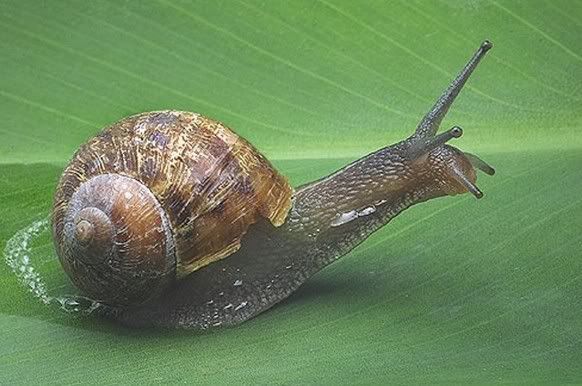
Barriers also work for snails. They dislike sand, lime, copper or ashes, so use these borders to keep snails away.
Baking soda and powdered sugar mixed in equal parts is a good roach killer. Just spread around the area where you see roaches and soon you won't see them anymore. (Boric Acid, while slightly more toxic, is naturally occurring and is another way to get rid of them.)
Here's a really sneaky way to get rid of fire ants. (All's fair in love and the war against insect pests.) The only way to get rid of an infestation is to assassinate the queen. Wait until a dry spell is about to end. Sprinkle instant grits on the fire ant hill. The workers will carry the grits to the queen for her royal meal. She'll eat the grits and when it rains, she'll drink. And that's what will kill her. The grits will expand in her stomach and she'll "bloat" to death. Once she's out of the way, the leaderless ants will die off. (This suggestion came courtesy of the Tightwad Gazette II book.)
Cloves smell better than moth balls and are a natural deterrent against winged pests. You can also create a water trap by filling a small basin with water and leaving a night light suspended over it. Moths will be attracted to the light and will end up crashing and burning and falling into the water. Add a little dish soap to break the surface tension of the water.
Corn Gluten Meal may not sound very appetizing, but it's a natural, preemptive strike against weeds. Apply it early in the spring before weeds sprout. Corn gluten meal is a byproduct of the corn milling process and is a natural fertilizer.
Diatomaceous earth is made up of the fossilized remains of diatoms, single-cell organisms. The glass-like nature of diatomaceous earth makes it one of the oldest forms of insecticide. The sharp surfaces cut through the insect cuticle and the insect dies of dehydration. Diatomaceous earth kills earwigs, ants and box elder bugs. Since it's non-discriminate when it kills, be sure to only apply it just to the ground surface where you think insects are overstaying their welcome.
Grind rosemary leaves into a fine dust and sprinkle it onto your pet or its bedding to ward off fleas.
Ivory liquid dishwashing detergent can act as a natural insecticide. Dilute with water until it is a 1 or 2 percent solution and then spray on plants.
Need neem oil? Neem oil - made from guess what? - neem seeds, prevents fungus growth, and repels and kills insects, including mites. While it fights many scourges, it's nontoxic to birds, mammals and most beneficial insects. One word of caution - it can sometime affect bees so use it as a spot treatment to minimize contact. Neem oil is usually sold in a concentrated form, to which you add water.
Fruit flies are wine connoisseurs. Okay, maybe they are not wine snobs, but they have been known to quaff a few drops here or there. They particularly like Chardonnay or so we hear. Use that knowledge to your advantage: fill up a saucer of some cheap white wine and add a little detergent to it. Leave it around for the flies to sip and die on. This solution brings knew meaning to the expression "rot gut."
A natural fly catcher related to wine is to put something sickly sweet like mango peels in the bottom of narrow-necked wine bottles. The flies can fly in, but can't fly out.
You can even make your own fly paper. Boil water, sugar and corn syrup together. Spread the extra-sticky mixture on brown paper grocery bags and voila you have your own fly paper which will trap flies.
For mosquito control the aged old custom of burning citronella candles will help repel the pesky critters.
To get rid of slugs and snails, invert a flower pot near a shady plant. Use a stick to prop up the flower pot or place on irregular ground - whatever will give enough of an entrance way for slugs and snails. They will crawl under the rim to avoid the heat. Check the flower pot at the end of the day and remove the slugs and snails.
Vinegar is a great herbicide. Fill a spray bottle with vinegar - white is best since it won't stain, you certainly don't want to use expensive, aged Balsamic vinegar on weeds - and spray the vinegar on your unwelcome flora on your porch, patio or back yard. It's one of the few things that will work against noxious weeds such as Canadian Thistle. All vinegars are diluted, so try and buy the highest concentration you can at the supermarket.
Using organic lawn fertilizers will not only keep it green, it will make it healthy and more equipped to defend itself against weeds and pests. Organic fertilizers, such as bat guano, grass clippings, alfalfa meal, fish emulsion and worm castings, work well.
While natural pest control products are a step up from most commercial insecticides, you should still be restrained about using them. Don't just leap at something that cures the symptom - look for the underlying or root cause and seek a solution for that problem. Overuse can end up creating new problems - getting rid of one pest in exchange for another.
That said, natural pest control can be a great non-toxic solution to keeping your garden and home pest free.
Mealybug Destroyer
Mealybug Destroyer
 First used as a
biological
control agent in the late 1800's, both the adult and larval stages of this
beneficial insect attack and feed on all stages of mealybugs. The mealybug
destroyer (Cryptolaemus montrouzieri) is a small (1/5 inch long),
redish-brown lady beetle with dark-brown wing covers. A voracious feeder,
"crypts" as they are often called, will also eat aphids and soft scales making
them ideal for use in greenhouses, interior plantscapes, orchards and ornamental
gardens.
First used as a
biological
control agent in the late 1800's, both the adult and larval stages of this
beneficial insect attack and feed on all stages of mealybugs. The mealybug
destroyer (Cryptolaemus montrouzieri) is a small (1/5 inch long),
redish-brown lady beetle with dark-brown wing covers. A voracious feeder,
"crypts" as they are often called, will also eat aphids and soft scales making
them ideal for use in greenhouses, interior plantscapes, orchards and ornamental
gardens. Adult female predators
lay yellow eggs among the cottony egg sacks of mealybugs. Eggs hatch into larvae in about 5 days, depending upon temperature. The three
larval stages last from 12-17 days during which time the larvae feed on eggs,
young crawlers, and the sugary liquid excrement, often called honeydew produced
by the pest. Pupation occurs on sheltered plant stems or on greenhouse
structures. Adults emerge after 7-10 days and live approximately two months.
There are usually 4 generations each year.
Adult female predators
lay yellow eggs among the cottony egg sacks of mealybugs. Eggs hatch into larvae in about 5 days, depending upon temperature. The three
larval stages last from 12-17 days during which time the larvae feed on eggs,
young crawlers, and the sugary liquid excrement, often called honeydew produced
by the pest. Pupation occurs on sheltered plant stems or on greenhouse
structures. Adults emerge after 7-10 days and live approximately two months.
There are usually 4 generations each year.Looking for effective mealybug control? I suggest the mealybug destroyer. They work, and unlike many pest controls, don't harm the environment.
While this predatory beetle thrives on high mealybug populations, they are best released in early spring when the first pests are observed. The mealybug destroyer is most active at 70° Fahrenheit or higher and should be released at a rate of 0.5 per sq. ft. of planted area or 2-5 beetles per infested plant. In orchards release 1,000-2,000 adult beetles per acre of mature fruit trees. Mealybug destroyers should be shaken out close to mealybug infestations at dawn or dusk when they are least active. Repeat as necessary, usually once or twice a year.
Often after release, the mealybug problem appears to be worsening before it improves. This is because C. montrouzieri larvae are covered in a white, woolly material and are very similar in appearance to their prey.
Note: Used by the citrus industry in California, this predatory insect is credited with the complete control of the citrus mealybug.
Tip: Ants feed on the honeydew that sucking insects (aphids, mealybugs, thrips) produce and will vigorously protect these pests from their natural enemies. If possible, control ants prior to release.
Related Sites:
• Learn more about mealybugs here.
• Midwest Biological Control News - University of Wisconsin, Madison
• Cryptolaemus montrouzieri - Cornell University
• Natural Enemies Gallery - University of California Statewide IPM Program
• Researchers Discover Sex Potion to Ensnare Mealybug Pests - USDA (ARS)
Praying Mantis
Praying Mantis
 The fascinating
praying mantis (Tenodera aridifolia sinensis) gets its name from its
motionless raised front legs, which it uses to hold its prey. A ferocious
general predator, it will attack just about any insect in its path, which
unfortunately includes other beneficial insects.
The fascinating
praying mantis (Tenodera aridifolia sinensis) gets its name from its
motionless raised front legs, which it uses to hold its prey. A ferocious
general predator, it will attack just about any insect in its path, which
unfortunately includes other beneficial insects.The praying mantis will only complete one life cycle per season. It usually takes two to three weeks of warm temperatures for the mantis egg cases to hatch. The tiny nymphs emerge through the narrow slits of the egg case and immediately disperse into the foliage. One egg case will yield approximately 50 to 200 predators. Unless you can find the small nymphs (1/8 inch), it is impossible to tell if the egg cases have actually hatched. In 5 or 6 months, they become a full sized adult (up to 6 inches) and females will deposit 1 to 5 egg cases on bushes and flower stalks. The female dies shortly after this. Egg cases are very hardy and overwinter - subzero temperatures won't harm them. They hatch out in the spring, completing the life cycle.
Use 3 egg cases for smaller areas (under 5,000 square feet) and increase the amount accordingly for larger areas. If immediate release is inconvenient, you can keep the egg cases in the refrigerator for up to one week, but they must be in a ventilated container. DO NOT FREEZE. To release, simply tie the praying mantis egg cases to twigs or branches about three feet above the ground. Birds and rodents will feed on them, so placing them in a container with holes large enough for the young nymphs to escape (1/4 to 1/2 inch diameter) will provide protection.
Note: It is not recommended to keep mantis as pets in terrariums or other small indoor enclosures. Young nymphs are very aggressive towards each other and tend to become cannibalistic - give them plenty of room.
Interesting Factoid #1: It has been discovered that the mantid uses an ultrasonic detecting ear as its main tool of defense. According to research, the ear is tuned to the same frequency that is used by bats (a significant mantis predator) for echolocation. The mantid uses its sensitive ear primarily while flying. When it hears a bats signal, it curls its abdomen up and thrusts out its forelimbs, creating an aerial stall, which sends the mantis plummeting safely to the ground. Experiments show a relationship between the volume of the bats signal and the mantis flight pattern. The louder the signal, the more erratic the pattern.
Interesting Factoid #2: Many people believe that the female mantis always bites the head off her mate, BUT it's not true. It happens more in captivity, and even then she eats her mate only 15% of the time. The male can complete fertilization without his head.
Related Sites:
• Click here for more praying mantid information.
• View a picture of a praying mantis eating a hummingbird.
• Praying Mantis Extension Fact Sheet - Ohio State University
• Natural Enemies Gallery - University of California Statewide IPM Program
• Meet the Good Bugs - This Old House
Five food suggestions for healing the gut

Over the last few decades, renegade MD's, holistic practitioners, chiropractors, and alternative health nutritionists have realized this basic truth as well. This ancient health maxim has even been determined to affect mental health, where the gut is tagged as a second brain.
Dr. Natasha Campbell-McBride has embraced this wisdom and developed the GAPS (gut and psychology syndrome) diet, which has a proven track record of returning autism spectrum children to normalcy. For starters, she experimented on her autistic son and cured him.
Dr. Campbell-McBride and others have determined that high fiber foods wind up feeding pathogenic bacteria if they greatly outnumber probiotic bacteria. This is the case with Candida overgrowth and other parasitic or pathogenic bacteria situations.
Once there is a serious intestinal flora imbalance, fibers feed the bad guys. Then, initially abstaining from plant fiber foods is recommended.
When the beneficial probiotic bacteria to pathogenic bacteria balance is restored to around 80/20, then a high fiber diet is a good idea again. If that's not an issue and you're doing okay using a diet with various fibrous plant foods, disregard abstaining from high fiber foods.
All this requires paying attention to your body's reaction to the foods you eat.
Five food suggestions for healing the gut
[1] If you think your gut bacteria ratios are heavily out of whack, eliminating high fiber beans and grains may be necessary for a while. One way to reduce fibers is to rely heavily on soups, good dairy, free range eggs, and meats from grass-fed livestock.But you can stick with veggies by juicing often with a slow speed masticating juicer that separates the liquid from the pulp.
[2] At first, it may be necessary to use high quality probiotic supplements. But fermented foods and beverages should be added with gusto. Miso, Kimchi, live yogurts, kombucha, water kefir, and milk kefir are excellent sources of beneficial bacteria.
Amazingly, probiotic microbes also chelate heavy metals and eliminate them with the stool. Just make sure you use water that's been de-chlorinated and de-fluorinated for water-based beverages.
Though not required, raw milk is ideal for milk kefir and homemade live yogurts. Fermented foods and/or beverages are vital additions to anyone's diet. Read more here: (http://www.naturalnews.com/027554_kefir_water_grains.html) and/or here: (http://www.naturalnews.com/033675_fermented_foods_probiotics.html)
[3] Intestinal villi are tiny tubular protrusions on your gut's inner lining responsible for absorbing nutrients from food particles. Leaky gut syndrome and Celiac disease nullifies them. Here's an easy, tasty Ayurvedic remedy to recover your intestinal villi.
A couple hours after your last daily meal, take a tablespoon of organic raisins mixed with a tablespoon of organic raw sesame seeds. Chew the mixture well before swallowing on a daily basis. That's it.
[4] Coconut oil, preferably organic cold pressed, contains medium chain fatty acids that are easily converted into energy. It is also anti-microbial and anti-fungal, another remedy for getting rid of your gut's bad guys.
When it comes to fats, another source recommends trying for 1:1 omega-6/omega-3 fatty acid balance. Chia seeds form a soothing soluble fiber gel while providing omega-3, and of course krill and fish oils do also. Cold pressed virgin olive oil is a great source of omega-6.
[5] High quality marine phytoplankton in liquid form is probably the most nutrient packed green micro-algae superfood around, even outdoing chlorella and spirulina.
You'll get plenty of protein and more from any of those even while avoiding or restricting high fiber foods. But the right phytoplankton is the most super superfood according to Health Ranger Mike Adams. (http://www.naturalnews.com/023853_marine_phytoplankton_microalgae.html)
Sources for this article include:
Dr. Campbell-McBride http://www.gaps.me/
The Paleo approach http://paleoparents.com/2012/what-should-you-eat-to-heal-a-leaky-gut/
More food suggestions http://chriskresser.com/9-steps-to-perfect-health-5-heal-your-gut
Benefits from poultry manure — no chicken feed
Benefits from poultry manure — no chicken feed


