.jpg)
Goat Breeding Tips for Livestock Farmers (Urdu)
In order to get maximum meat and milk Beetal, Daira Deen Panah, Nachi, and Teddy Breeds.....

Mango Amazing Facts
The mango is known as the 'king of fruit' throughout the world. The name 'mango' is derived from the Tamil word 'mangkay' or 'man-gay'. When the Portuguese traders settled in Western India they adopted the name as 'manga'.

Pomegranate(Punica granatum) Cultivation and Farming
Pomegranates are fairly drought tolerant and can be grown on either calcareous or acid soils. Climate - Grow best in dry climates with mild winters. Chilling requirement

EU may also ban Monsanto GMO in wake of shocking cancer findings
Russia's consumer protection group, Rospotrebnadzor, said it was halting all imports of GM corn while the country's Institute of Nutrition will be evaluating the results of the study.

Protect Garden Pots during Winter
Many pots, especially ornamental containers that aren’t designed to stand outside in freezing temperatures, need winter protection. Wrap them up in burlap (possibly double layers), and secure tightly at the top and bottom with strong garden string.

Sustainable Agriculture and Fertilizers Practices in Pakistan
Agriculture is the mainstay of Pakistan’s economy. It has a total area of 79.61 million hectare, and the total area used for crop production is only 22 million ha.

Herbs For Winter Windowsill
Growing season is over, do you still find yourself ready to dash out to the garden for some chives, basil or a sprig of thyme...
.jpg)
Claim FREE EBook
Once you subscribe you will get a confirmation email from eagri about joining the mailing list.
Sunday, December 30, 2012
The tomato decoded: holds more genes than humans
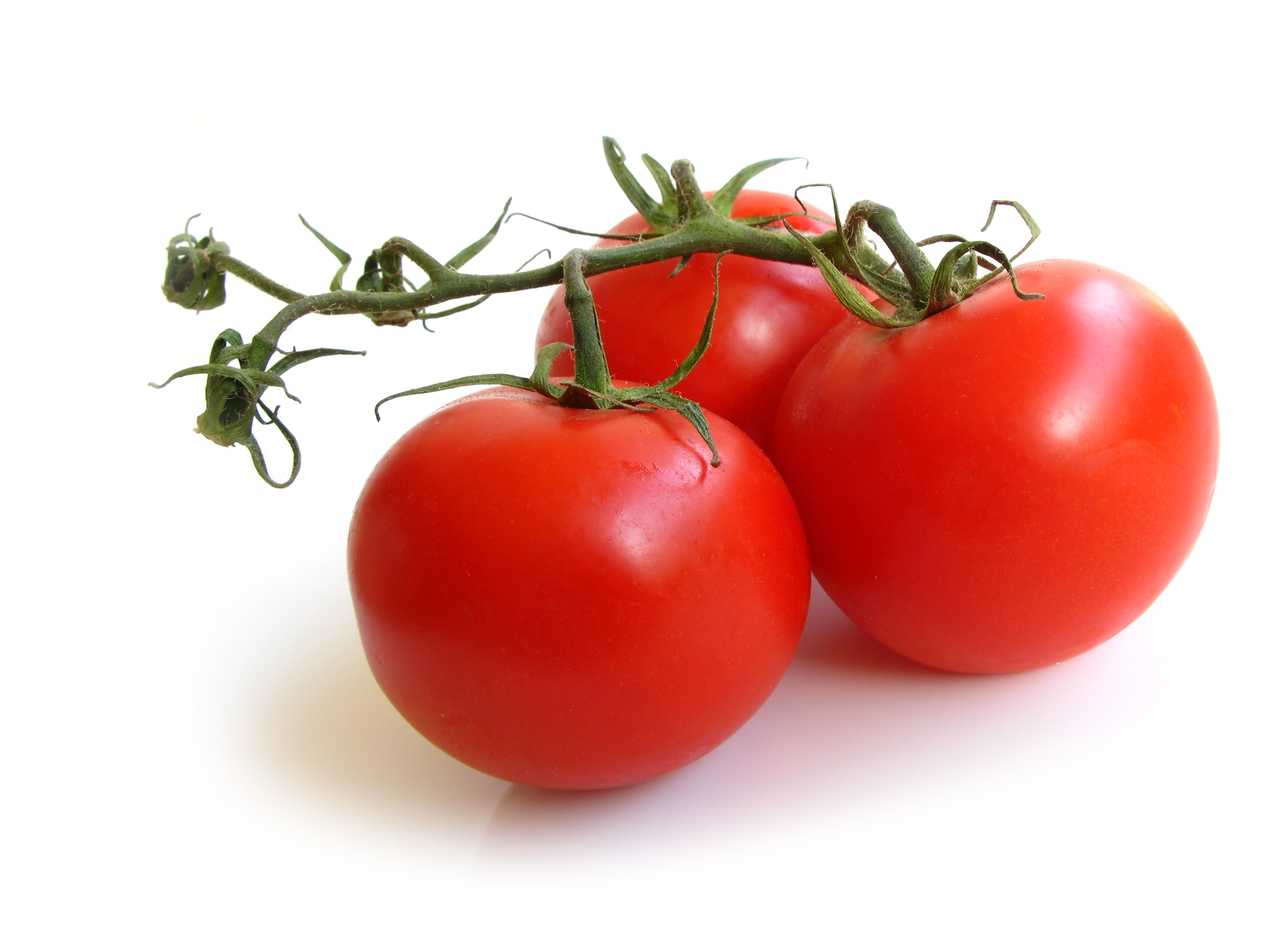
The tomato has always been a complex fruit. Or is it a vegetable? Either way. Tomato, tomahto, right?
The tomato, which is considered a fruit by botanists and a vegetable to the US government, has been demystified by a consortium of plant geneticists from 14 countries who spent nine years decoding the tomato genome with the hopes of breeding better, tastier fruits.
Specifically, the scientists sequenced the genomes of both Heinz 1706, a variety used to make ketchup, and the tomato’s closest wild relative, Solanum pimpinellifolium, which is grown in Peru, according to The New York Times.
The researchers reported that tomatoes possess some 35,000 genes arranged on 12 chromosomes. "For any characteristic of the tomato, whether it's taste, natural pest resistance or nutritional content, we've captured virtually all those genes," James Giovannoni, a scientist at the Boyce Thompson Institute for Plant Research, told Phys.org

New method to design better greenhouses

Arch greenhouses, parral greenhouses, Venlo greenhouses and wide roof greenhouses, the variation worldwide is enormous. When designing a greenhouse one must also choose between a large number of different construction elements, such as e.g. roofing materials, heating and cooling systems. Which kind of greenhouse the grower chooses and how the greenhouse is being fitted is amongst other things, dependent upon the outside climate, economic factors, legal issues, social circumstances and the presence of sources, such as water, energy and CO2. The choice in favour of one possibility very often has a direct influence on the other elements and also depends on the plants to be cultivated in the greenhouse. This makes it very difficult to optimize the design process.
Optimization design
Bram Vanthoor developed a design method, which dependent on the local climate and economic conditions, designs a greenhouse which supplies the maximum financial result. The method always includes local circumstances and takes eight design elements into consideration, namely greenhouse construction, roofing material, outside awnings, chalk materials, energy screen, heating system, cooling system and CO2 quantity dosing system.
The design method is based on three models, namely one greenhouse climate model, one plant model and an economic model. These models calculate, dependent on the variables supplied, the financial result. After that an optimalisation-algorithm adjusts the design step by step. In this way the financial result is maximised finally and the best greenhouse found.
The design method has been tested in Spain and in the Netherlands. The model was designed quite differently for both locations, but with realistic proposals for the most successful greenhouse in both instances. The Spanish greenhouse had a larger ventilation area and was specially built to prevent high temperatures, whilst in the colder Netherlands a higher working capacity and an energy screen were fitted. It became clear at both locations, that the economic performance of the greenhouse improves by a high percentage of light passing through and that an outside screen, geothermic heating and mechanical cooling make the result worse.
Perspective of the method
The method has in first instance been developed for tomatoes. Adjustment for other
plants is possible. The design method of the greenhouse can assist in optimizing the cultivation of plants in greenhouse further. It is also possible to establish the best location to build new greenhouse with the new approach and the results of the economic changes on the cultivation can be predicted. Bram Vanthoor in the meantime lives and works as a business developer for a horticultural supplier in Mexico. The acquired knowledge is used there to adapt greenhouse to the local conditons.
Source: Fresh plaza
Published on: 6/20/2011
Saturday, December 29, 2012
Six Air Purifying House Plants
 1. Bamboo Palm:
According to NASA, it removes formaldahyde and is also said to act as a
natural humidifier.
1. Bamboo Palm:
According to NASA, it removes formaldahyde and is also said to act as a
natural humidifier. 5. Peace Lily: Peace
lilies could be called the “clean-all.” They’re often placed in bathrooms or
laundry rooms because they’re known for removing mold spores. Also know to
remove formaldahyde and trichloroethylene.
5. Peace Lily: Peace
lilies could be called the “clean-all.” They’re often placed in bathrooms or
laundry rooms because they’re known for removing mold spores. Also know to
remove formaldahyde and trichloroethylene.
Cucumber nutrition facts

The vegetable is one of the oldest cultivated crops and believed to be originating in the northern plains of Indian subcontinent. The plant is a creeper (vine) like other members of Cucurbita family, for example, gourds,squashes,melons,zucchini, etc.
Botanically; it belongs to the Cucurbitaceaefamily; and is known scientifically as Cucumis sativus.
Cucumber is easy to grow. Varieties, varying in size, shape, and color, are cultivated all around the world. In general, the fruit features dark-green skin, crispy moisture rich flesh, and small edible seeds concentrated at its core.
As in other squash members, cucumbers too are best-harvested young, tender and just short of reaching maturity, at the stage when they taste sweet, have crunchy texture, and unique flavor. If left uninterrupted, the fruit continues to grow in size, its skin becomes tougher and turns yellow, and seeds become hard and inedible. Fresh cucumbers are available throughout the season and can be eaten raw as is or in vegetable salads or juicing.
Armenian cucumbers (Cucumis melo var. flexuosus) are long, crispy, and thin-ribbed, curved, and have light green color. Although grouped botanically in the melon family, they appear and taste just like cucumbers.

Health benefits of Cucumber
- It is one of the very low calorie vegetables; provide just 15 calories per 100 g. It contains no saturated fats or cholesterol. Cucumber peel is a good source of dietary fiber that helps reduce constipation, and offer some protection against colon cancers by eliminating toxic compounds from the gut.
- It is a very good source of potassium, an important intracellular electrolyte. 100 g of cucumber provides 147 mg of potassium but only 2 mg of sodium. Potassium is a heart friendly electrolyte helps bring a reduction in total blood pressure and heart rates by countering effects of sodium.

- Cucumbers contains unique anti-oxidants in moderate ratios such as ß-caroteneand α-carotene, vitamin-C, vitamin-A,zea-xanthinand lutein. These compounds help act as protective scavengers against oxygen-derived free radicals and reactive oxygen species (ROS) that play a role in aging and various disease processes. Their total antioxidant strength, measured in terms of oxygen radical absorbance capacity (ORAC value), is 214 µmol TE/100 g.
- Cucumbers have mild diuretic property, which perhaps attributed to their free-water, and potassium and low sodium content. This helps in checking weight gain and high blood pressure.
- They surprisingly have a high amount of vitamin K, provides about 17 µg of this vitamin per 100 g. Vitamin-K has been found to have a potential role in bone strength by promoting osteotrophic (bone mass building) activity. It also has established role in the treatment of Alzheimer's disease patients by limiting neuronal damage in their brain.
 1.Quick pick me-up - Cucumbers are a good source of B vitamins. Put down your sodas and coffee and eat a cucumber slice.
2. Rehydrates body and replenishes daily vitamins - Cucumbers are 95 percent water, keeping the body hydrated while helping the body eliminate toxins. Cucumbers have most of the vitamins the body needs in a single day. Don't forget to leave the skin on because the skin contains a good amount of vitamin C, about 10 percent of the daily-recommended allowance.
3. Skin and hair care - If you don't like to eat the skin, it can be used for skin irritations and sunburns as aloe would be used. Place a slice over puffy eyes and its anti-inflammatory properties help reduce puffiness. The silicon and sulfur in cucumbers help to stimulate hair growth.
4. Fight cancers - Cucumber are known to contain lariciresinol, pinoresinol, and secoisolariciresinol. These three lignans have a strong history of research in connection with reduced risk of several cancer types, including breast cancer, ovarian cancer, uterine cancer and prostate cancer.
5. Home care - Eliminates a foggy mirror. Before taking a shower, rub a cucumber slice along a mirror and it will eliminate the mirror fogging up. Instead of WD40, take a cucumber slice and rub it along a squeaky hinge and your door will stop squeaking.
6. Relieves bad breath - Take a slice of cucumber and press it to the roof of your mouth with your tongue for 30 seconds, the phytochemcials will kill the bacteria in your mouth responsible for causing bad breath.
7. Hangover cure - To avoid a morning hangover or headache; eat a few cucumber slices before going to bed. Cucumbers contain enough sugar, B vitamins and electrolytes to replenish many essential nutrients, reducing the intensity of both hangover and headache.
8. Aids in weight loss and digestion - Due to its low calorie and high water content, cucumber is an ideal diet for people who are looking for weight loss. The high water content and dietary fiber in cucumbers are very effective in ridding the body of toxins from the digestive system, aiding digestion. Daily consumption of cucumbers can be regarded as a remedy for chronic constipation.
9. Cures diabetes, reduces cholesterol and controls blood pressure - Cucumber juice contains a hormone which is needed by the cells of the pancreas for producing insulin which has been found to be beneficial to diabetic patients. Researchers found that a compound called sterols in cucumbers may help reduce cholesterol levels. Cucumbers contain a lot of potassium, magnesium and fiber. These work effectively for regulating blood pressure. This makes cucumbers good for treating both low blood pressure and high blood pressure.
10. Promotes joint health, relieves gout and arthritis pain -Cucumber is an excellent source of silica, which is known to help promotes joint health by strengthening the connective tissues. They are also rich in vitamin A, B1, B6, C & D, Folate, Calcium, Magnesium, and Potassium. When mixed with carrot juice, they can relieve gout and arthritis pain by lowering the uric acid levels
Sorces:
http://www.healthonlinezine.info/15-health-benefits-of-cucumber.html
http://www.eatingwell.com
http://www.naturalnews.com/035719_cucumbers_anti-aging_vegetables.htmlhttp://www.nutrition-and-you.com/cucumber.html
Friday, December 28, 2012
Robot learns to pick the sweetest strawberries in UK
 Richard Dudley imagines a world where strawberries grow in perfect rows and every day a robot army "tastes" their colors before harvesting the ripe ones. The research scientist at the United Kingdom’s National Physical Laboratory is building a robot that uses multiple wavelengths of electromagnetic radiation to identify the sweetest, ripest fruit — then plucks it from the vine.

Thursday, December 27, 2012
Pomegranate nutrition facts

The tree grows to about five and eight meters tall. It is cultivated at a commercial scale in vast regions across Indian sub-continent, Iran, Caucuses and Mediterranean regions for its fruits. Completely grown-up tree bears numerous spherical, bright red, purple, or orange-yellow colored fruits depending on the cultivar types. Each fruit measures about 6-10 cm in diameter and weighs about 200 gm. Its outer skin or rind is tough and features leathery texture.
Interior of the fruit is separated by white, thin, spongy, membranous, bitter tissue into compartments. Such sections, packed as sacs, filled with tiny edible sweet, juicy, pink pulp encasing around a single, angular, soft or hard (in over-mature fruits) seed.
Pomegranate is one of the most extensively cultivated fruits for food, juice, flavor, and color, making it a common ingredient in new functional foods often called “super fruits."

Health benefits of Pomegranate
- The fruit is moderate in calories; 100 g provides 83 calories, slightly more than that in theapples. It contains no cholesterol or saturated fats.
- It is rich source of soluble and insoluble dietary fibers, providing about 4 g per 100 g (about 12% of RDA), which aid in smooth digestive and bowel movements. The fruit is suggested by nutritionists in the diet for weight reduction and cholesterol controlling programs. Regular inclusion of fruits in the diets boosts immunity, improves circulation, and offers protection from cancers.
- Punicalaginis a polyphenolic anti-oxidant compound found abundantly in the pomegranate juice. Studies suggest that punicalagin and tannins are effective in reducing heart-disease risk factors by scavenging harmful free radicals from the body.
- Total antioxidant strength of pomegranate fruit measured in terms of its oxygen radical absorbance capacity (ORAC) is 2341 µmol TE/100 g.
- The fruit is an also good source of antioxidant vitamin-C, provides about 17% per 100 g of daily requirement. Consumption of fruits rich in vitamin C helps the body develop resistance against infectious agents by boosting immunity.
- Regular consumption of pomegranate has also been found to be effective against prostate cancer, benign prostatic hyperplasia (BPH), diabetes, and lymphoma.
- Further, it is an also good source of many vital B-complex groups of vitamins such as pantothenic acid (vitamin B-5), folates, pyridoxine and vitamin K, and minerals like calcium, copper, potassium, and manganese.

Banana fruit nutrition facts

Scientific name: Musa acuminata colla.

In fact, the whole plant is a false stem (pseudostem), consisting of broad leaves along with their petioles overlapping around each other in a circular fashion standing up to 2 to 6 meters tall from the ground surface depending upon the cultivar types. At maturity, the rhizome gives rise to flower (inflorescence) that is carried up on a long smooth un-branched stem through the centre of the pseudo-stem emerging out at the top in the centre of the leaf cluster. The flower subsequently develops to hanging bunch consisting of 3 to 20 hands (tiers), each with at least 5-10 fingers (fruits) in each hand (tier). Banana plant or plantain bears hanging clusters of fruits as a bunch. Fruits are arranged in tiers, with 6-20 fruits in each tier.

Health benefits of banana fruit
- Banana fruit is one of the high calorie tropical fruits. 100 g of fruit provides 90 calories. Besides, it contains good amounts of health benefiting anti-oxidants, minerals, and vitamins.
- Banana pulp is composed of soft, easily digestible flesh with simple sugars like fructose and sucrose that when eaten replenishes energy and revitalizes the body instantly; thus, for these qualities, bananas are being used by athletes to get instant energy and as supplement food in the treatment plan for underweight children.
- The fruit contains a good amount of soluble dietary fiber (7% of DRA per 100 g) that helps normal bowel movements; thereby reducing constipation problems.
- It contains health promoting flavonoid poly-phenolic antioxidants such aslutein, zea-xanthin, ß and α-carotenes in small amounts. These compounds help act as protective scavengers against oxygen-derived free radicals and reactive oxygen species (ROS) that play a role in aging and various disease processes.
- It is also a very good source of vitamin-B6(pyridoxine), provides about 28% of daily-recommended allowance. Pyridoxine is an important B-complex vitamin that has a beneficial role for the treatment of neuritis, and anemia. Further, it helps decrease homocystine (one of the causative factors in coronary artery disease (CHD) and stroke episodes) levels within the body.
- The fruit is an also moderate source of vitamin-C (about 8.7 mg per 100g). Consumption of foods rich in vitamin-C helps the body develop resistance against infectious agents and scavenge harmful oxygen-free radicals.
- Fresh bananas provide adequate levels of minerals like copper, magnesium, and manganese. Magnesium is essential for bone strengthening and has a cardiac-protective role as well. Manganese is used by the body as a co-factor for the antioxidant enzyme, superoxide dismutase. Copper is required in the production of red blood cells.
- Fresh banana is a very rich source of potassium. 100 g fruit provides 358 mg potassium. Potassium is an important component of cell and body fluids that helps control heart rate and blood pressure, countering bad effects of sodium.
Health benefits of Persimmon (Japani Phal)


Wednesday, December 26, 2012
Ginger Cultivation Basics
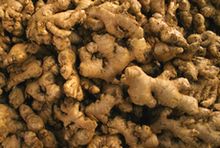 Ginger is an important spice crop of the world .Its scientific name is Zingiber
officinale.Its a valuable cash
crop and plays an important role in aurvedic medicines in India .It has been used for cleaning body
through perspiration,to calm down nausea,and to stimulate the appetite.Ginger
tea is used as carminative and in the symptomatic treatment
of colds.Ginger contains gingerol, an oleo resin that accounts for the
characteristic aroma and therapeutic properties.Components of gingerol posses beneficial
properties for the treatment of poor digestion,heart burn,vomiting and
preventing motion sickness.
Ginger is an important spice crop of the world .Its scientific name is Zingiber
officinale.Its a valuable cash
crop and plays an important role in aurvedic medicines in India .It has been used for cleaning body
through perspiration,to calm down nausea,and to stimulate the appetite.Ginger
tea is used as carminative and in the symptomatic treatment
of colds.Ginger contains gingerol, an oleo resin that accounts for the
characteristic aroma and therapeutic properties.Components of gingerol posses beneficial
properties for the treatment of poor digestion,heart burn,vomiting and
preventing motion sickness.