


.jpg)
Goat Breeding Tips for Livestock Farmers (Urdu)
In order to get maximum meat and milk Beetal, Daira Deen Panah, Nachi, and Teddy Breeds.....

Mango Amazing Facts
The mango is known as the 'king of fruit' throughout the world. The name 'mango' is derived from the Tamil word 'mangkay' or 'man-gay'. When the Portuguese traders settled in Western India they adopted the name as 'manga'.

Pomegranate(Punica granatum) Cultivation and Farming
Pomegranates are fairly drought tolerant and can be grown on either calcareous or acid soils. Climate - Grow best in dry climates with mild winters. Chilling requirement

EU may also ban Monsanto GMO in wake of shocking cancer findings
Russia's consumer protection group, Rospotrebnadzor, said it was halting all imports of GM corn while the country's Institute of Nutrition will be evaluating the results of the study.

Protect Garden Pots during Winter
Many pots, especially ornamental containers that aren’t designed to stand outside in freezing temperatures, need winter protection. Wrap them up in burlap (possibly double layers), and secure tightly at the top and bottom with strong garden string.

Sustainable Agriculture and Fertilizers Practices in Pakistan
Agriculture is the mainstay of Pakistan’s economy. It has a total area of 79.61 million hectare, and the total area used for crop production is only 22 million ha.

Herbs For Winter Windowsill
Growing season is over, do you still find yourself ready to dash out to the garden for some chives, basil or a sprig of thyme...
.jpg)
Claim FREE EBook
Once you subscribe you will get a confirmation email from eagri about joining the mailing list.
Friday, January 11, 2013
Nitrogen, Phosphorus, Potassium Impotrance


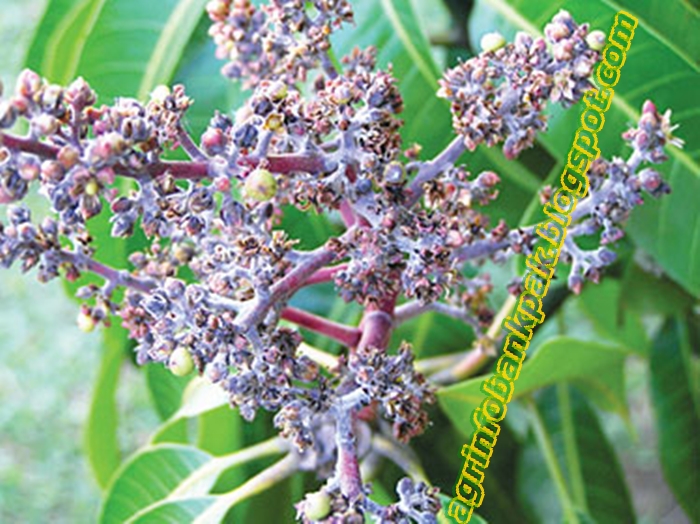
Mango Diseases and Management


Tuesday, January 01, 2013
WikiLeaks: US targets EU over GM crops


Invitation as a Guest Author
The right to know what you are eating
In 1992, the FDA ruled that genetically engineered foods didn't need independent safety tests or labeling requirements before being introduced. But one of its own scientists disagreed, warning there were "profound differences" with genetically engineered foods. Genetically engineered seed manufacturers were allowed to sell their products without telling consumers. A 2006 survey found that 74 percent of Americans had no idea that genetically engineered foods were already being sold.
Biotech companies have fought labeling, claiming genetically engineered crops are "substantially the same" and produce larger yields - both unproven claims. But genetically engineered crops have led to the increased use of pesticides, often sold by the same companies that make genetically engineered seeds.
About 94 percent of U.S. grown soybeans are genetically engineered and contain a gene that protects them against glyphosate, now the nation's most widely used pesticide. But glyphosate is becoming ineffective as "superweeds" become resistant to it, forcing farmers to use even stronger herbicides. Widespread adoption of genetically engineered corn has also led to pesticide resistance.
Almost all the research on the safety of genetically engineered foods has been conducted by the companies that sell them. The potential harm to developing fetuses is of concern. A study of pregnant women found genetically engineered corn toxins in 93 percent of the women and 80 percent of their unborn children. All of their umbilical cords had glyphosate residues. Biotech companies say genetically engineered crops aren't different - but defend their patent rights by arguing they're unique and that anybody who grows them without permission should be prosecuted. These companies want it both ways.
Genetically engineered crops are different. They often contain genetic material from different species. Some survive large doses of pesticide, others produce their own pesticide, and many do both. That's why they must be labeled. A label allows people to choose. It lets the free market, not industry lobbyists, determine the fate of genetically engineered foods. If genetically engineered foods are so great, companies that sell them should be proud to label them.
Fifty countries, including the European Union, require genetically engineered food labeling.
A recent poll found 93 percent of Americans think genetically engineered foods should be labeled. This month, 384,000 people signed a Just Label It ( www.justlabelit.org) petition urging the FDA to mandate genetically engineered food labeling nationally. The FDA justifies its refusal to label on an agency rule that requires labeling only if a food tastes or smells different or has a different nutritional value. The FDA should change that policy - or make an exception for genetically engineered foods, as it did for irradiated foods.
The FDA doesn't let pharmaceutical companies test new drugs on people without their informed consent. Consumers should have the same right to know when it comes to what they eat. But even the narrow dictates of that FDA rule shouldn't block the labeling of genetically engineered foods. Everything about how they were introduced and spread nationwide, without our knowledge or consent, leaves a bad taste in the mouth.
Read more: http://www.sfgate.com/opinion/openforum/article/The-right-to-know-what-you-are-eating-2289668.php#ixzz2GkPQyvKO
Soil Sampling

Soil testing is the single most important guide to the profitable use of fertilizer and lime. It is in the best interest of farmers, lawn care professionals, landscapers, gardeners, fertilizer suppliers, and consultants to promote the use of soil testing for several reasons like
- Grow Higher Crop Yields
- Produce Higher Quality Crops And Ornamentals
- Use Fertilizer Dollars More Efficiently
The purpose of soil testing is to identify the soil fertility that the plants or crop, in a given area will experience. The soil area and volume could be a large field, a small garden, or simply the root zone of a single tree or shrub. The most difficult step in soil testing is accurately representing the desired area of soil. A laboratory cannot improve the accuracy of a sample that does not represent the area.
In most soils, it takes more than one year to make significant changes to the soil test levels. As the soil improves with better fertility programs, subsequent crops or plant growth should show increasing rates of improvement. Soils are formed over thousands of years, and are not easily changed in a short time.
Sampling Tools
Tools that may be used to take a sod sample include a spade or shovel, soil sampling tube, or soil auger. Sample tubes or augers should either be stainless steel or chrome plated.
When sampling various soils at different times of the season it is important to use the proper equipment. A soil probe, either a hand tube or hydraulic probe, can be used under most conditions. A small wooden rod may be helpful in removing the soil core from the tube. The soil auger is especially useful when sampling frozen ground or heavily compacted soil that a soil tube can't penetrate. If a spade is used for sampling, dig a V-shaped hole to sample depth; then cut a thin slice of soil from one side of the hole. if using a pail to collect the soil, it should be plastic to avoid any contamination from trace metals. For instance, soil will pick up zinc from a galvanized pail. When sampling wet soils, vegetable oil or mineral oil may be used to lubricate the probe to minimize soil pushing ahead of the probe.
A Few Universal Basics
1. Soil samples can be taken with a professional soil probe, or simply using a shovel, spade, or garden trowel.
2. Each sample should be composed of from 10 to 15 cores.
3. As you take cores of soil, put them into the plastic bucket. Mix the soil thoroughly in the bucket (galvanized buckets will contaminate the sample with zinc), breaking up all cores. Then, fill the soil bag to the green line (about 1 cup of soil). Discard any extra soil.

Soil Sampling Procedure:
1. Samples are taken separately and away from the road side and heaps of the fertilizers or farm yard manure.
2. 
3. Take second sample at the depth of 15 to 30 cm.
4. Similarly further samples will be taken from the selected are in the field.
5. Put the simples of soil in the buckets depth wise.
6. Note soil depth with the help of marker on polythene plastic bags.
7. Dry the samples at optimum sun shine.
8. Now store the sample for further analysis.

Environmental benefits of Turf grasses/ Well-maintained Lawns
 Healthy well maintained lawns provide truly marvelous environmental benefits which contribute a lot to the world around it. Environmental benefits of Turf grasses/well-maintained lawns are as follows.
Cooler and quieter: when the heat is on, Turf grass helps keep you cool. Street or sidewalk temperatures may reach 100oF or higher, but turf remains at 75o. This could mean that the front lawns on a block of eight houses perform the same cooling work as 70 tons of air-conditioning-enough to cool off homes.
Healthy well maintained lawns provide truly marvelous environmental benefits which contribute a lot to the world around it. Environmental benefits of Turf grasses/well-maintained lawns are as follows.
Cooler and quieter: when the heat is on, Turf grass helps keep you cool. Street or sidewalk temperatures may reach 100oF or higher, but turf remains at 75o. This could mean that the front lawns on a block of eight houses perform the same cooling work as 70 tons of air-conditioning-enough to cool off homes.
 Turf also makes your life a bit quieter. It effectively absorbs and deflects sound. When combined with trees and other landscaping, a lawn can reduce harsh, unwanted noise to a distant murmur.
Help in breathing: A healthy lawn us an amazingly efficient production system. Turf plants remove carbon dioxide from the air and produce oxygen in return. Just 625 square feet of turfgrass supplies all the oxygen a person needs for one day. An average home lawn of 5,000 square feet produces enough oxygen for eight people each day. In comparison, it takes two 100-foot trees to provide the same amount of oxygen for eight people.
Soil saver: Turf grass controls erosion by knitting the soil together, trapping runoff water, and eliminating many of the problems caused by dust and mud. And it’s one of the more efficient water savers you will find in nature. A healthy lawn absorbs rainfall six time more effectively than does a wheat field.
Dust trap: if you have ever walked through a dry, barren area, such as a construction site, on a windy day, you have some idea of what life might be like without healthy lawns. Clouds of windblown dust make for difficult breathing, irritated eyes, and reduced visibility. Turfgrass is an effective air cleanser. It shows the air moving across its surface, so that dust particles settle out onto the blades and are eventually washed back to the ground. Every year Turfgrass traps millions of tons of dust that would otherwise blow unrestricted.
Pollution fighter: In one year’s time, the blades and roots in an acre of healthy turfgrass absorb hundreds of pounds of pollutants from the air and rainwater. Among them are sulpher dioxide, nitrogen oxide, hydrogen fluoride, nitrates, and other gases blamed for acid rain and greenhouse effect.
A common misconception is that the products put on lawns contribute to groundwater contamination and to algae blooms in nearby ponds and lakes. The truth is that few materials get past grass roots. The dense root system under a healthy lawn captures pollutants as water filters through the soil.
Safe surface: Perhaps the most important benefit is the recreational value lawns provide for young and old. Dense turf is a safer playground and playing field than nearly any other surface. It reduces the severity of many injuries and helps to cushion falls.
Turf also makes your life a bit quieter. It effectively absorbs and deflects sound. When combined with trees and other landscaping, a lawn can reduce harsh, unwanted noise to a distant murmur.
Help in breathing: A healthy lawn us an amazingly efficient production system. Turf plants remove carbon dioxide from the air and produce oxygen in return. Just 625 square feet of turfgrass supplies all the oxygen a person needs for one day. An average home lawn of 5,000 square feet produces enough oxygen for eight people each day. In comparison, it takes two 100-foot trees to provide the same amount of oxygen for eight people.
Soil saver: Turf grass controls erosion by knitting the soil together, trapping runoff water, and eliminating many of the problems caused by dust and mud. And it’s one of the more efficient water savers you will find in nature. A healthy lawn absorbs rainfall six time more effectively than does a wheat field.
Dust trap: if you have ever walked through a dry, barren area, such as a construction site, on a windy day, you have some idea of what life might be like without healthy lawns. Clouds of windblown dust make for difficult breathing, irritated eyes, and reduced visibility. Turfgrass is an effective air cleanser. It shows the air moving across its surface, so that dust particles settle out onto the blades and are eventually washed back to the ground. Every year Turfgrass traps millions of tons of dust that would otherwise blow unrestricted.
Pollution fighter: In one year’s time, the blades and roots in an acre of healthy turfgrass absorb hundreds of pounds of pollutants from the air and rainwater. Among them are sulpher dioxide, nitrogen oxide, hydrogen fluoride, nitrates, and other gases blamed for acid rain and greenhouse effect.
A common misconception is that the products put on lawns contribute to groundwater contamination and to algae blooms in nearby ponds and lakes. The truth is that few materials get past grass roots. The dense root system under a healthy lawn captures pollutants as water filters through the soil.
Safe surface: Perhaps the most important benefit is the recreational value lawns provide for young and old. Dense turf is a safer playground and playing field than nearly any other surface. It reduces the severity of many injuries and helps to cushion falls.


Sunday, December 30, 2012
The tomato decoded: holds more genes than humans
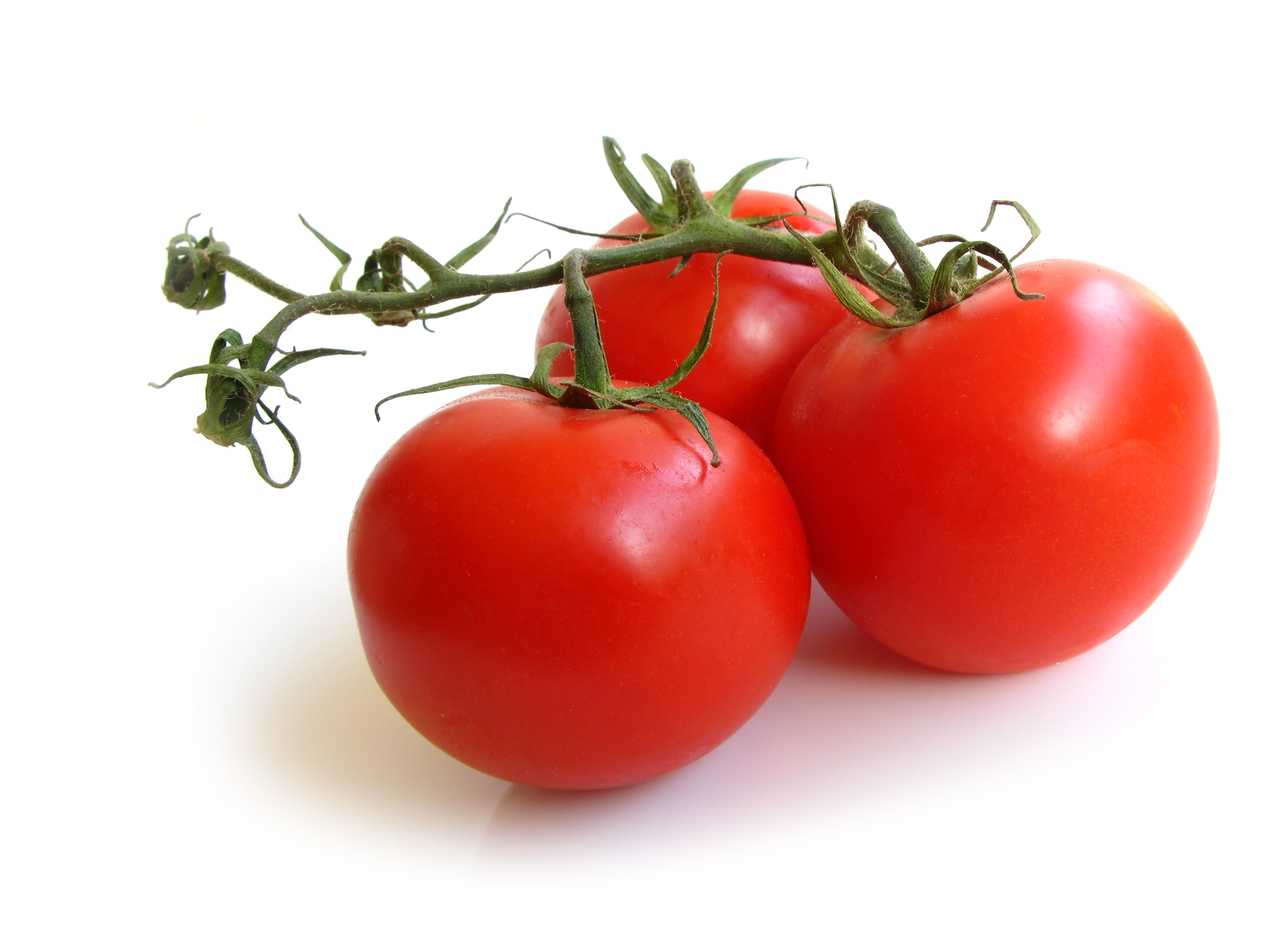
The tomato has always been a complex fruit. Or is it a vegetable? Either way. Tomato, tomahto, right?
The tomato, which is considered a fruit by botanists and a vegetable to the US government, has been demystified by a consortium of plant geneticists from 14 countries who spent nine years decoding the tomato genome with the hopes of breeding better, tastier fruits.
Specifically, the scientists sequenced the genomes of both Heinz 1706, a variety used to make ketchup, and the tomato’s closest wild relative, Solanum pimpinellifolium, which is grown in Peru, according to The New York Times.
The researchers reported that tomatoes possess some 35,000 genes arranged on 12 chromosomes. "For any characteristic of the tomato, whether it's taste, natural pest resistance or nutritional content, we've captured virtually all those genes," James Giovannoni, a scientist at the Boyce Thompson Institute for Plant Research, told Phys.org
New method to design better greenhouses

Arch greenhouses, parral greenhouses, Venlo greenhouses and wide roof greenhouses, the variation worldwide is enormous. When designing a greenhouse one must also choose between a large number of different construction elements, such as e.g. roofing materials, heating and cooling systems. Which kind of greenhouse the grower chooses and how the greenhouse is being fitted is amongst other things, dependent upon the outside climate, economic factors, legal issues, social circumstances and the presence of sources, such as water, energy and CO2. The choice in favour of one possibility very often has a direct influence on the other elements and also depends on the plants to be cultivated in the greenhouse. This makes it very difficult to optimize the design process.
Optimization design
Bram Vanthoor developed a design method, which dependent on the local climate and economic conditions, designs a greenhouse which supplies the maximum financial result. The method always includes local circumstances and takes eight design elements into consideration, namely greenhouse construction, roofing material, outside awnings, chalk materials, energy screen, heating system, cooling system and CO2 quantity dosing system.
The design method is based on three models, namely one greenhouse climate model, one plant model and an economic model. These models calculate, dependent on the variables supplied, the financial result. After that an optimalisation-algorithm adjusts the design step by step. In this way the financial result is maximised finally and the best greenhouse found.
The design method has been tested in Spain and in the Netherlands. The model was designed quite differently for both locations, but with realistic proposals for the most successful greenhouse in both instances. The Spanish greenhouse had a larger ventilation area and was specially built to prevent high temperatures, whilst in the colder Netherlands a higher working capacity and an energy screen were fitted. It became clear at both locations, that the economic performance of the greenhouse improves by a high percentage of light passing through and that an outside screen, geothermic heating and mechanical cooling make the result worse.
Perspective of the method
The method has in first instance been developed for tomatoes. Adjustment for other
plants is possible. The design method of the greenhouse can assist in optimizing the cultivation of plants in greenhouse further. It is also possible to establish the best location to build new greenhouse with the new approach and the results of the economic changes on the cultivation can be predicted. Bram Vanthoor in the meantime lives and works as a business developer for a horticultural supplier in Mexico. The acquired knowledge is used there to adapt greenhouse to the local conditons.
Source: Fresh plaza
Published on: 6/20/2011
Saturday, December 29, 2012
Six Air Purifying House Plants
 1. Bamboo Palm:
According to NASA, it removes formaldahyde and is also said to act as a
natural humidifier.
1. Bamboo Palm:
According to NASA, it removes formaldahyde and is also said to act as a
natural humidifier. 5. Peace Lily: Peace
lilies could be called the “clean-all.” They’re often placed in bathrooms or
laundry rooms because they’re known for removing mold spores. Also know to
remove formaldahyde and trichloroethylene.
5. Peace Lily: Peace
lilies could be called the “clean-all.” They’re often placed in bathrooms or
laundry rooms because they’re known for removing mold spores. Also know to
remove formaldahyde and trichloroethylene.


