


.jpg)
Goat Breeding Tips for Livestock Farmers (Urdu)
In order to get maximum meat and milk Beetal, Daira Deen Panah, Nachi, and Teddy Breeds.....

Mango Amazing Facts
The mango is known as the 'king of fruit' throughout the world. The name 'mango' is derived from the Tamil word 'mangkay' or 'man-gay'. When the Portuguese traders settled in Western India they adopted the name as 'manga'.

Pomegranate(Punica granatum) Cultivation and Farming
Pomegranates are fairly drought tolerant and can be grown on either calcareous or acid soils. Climate - Grow best in dry climates with mild winters. Chilling requirement

EU may also ban Monsanto GMO in wake of shocking cancer findings
Russia's consumer protection group, Rospotrebnadzor, said it was halting all imports of GM corn while the country's Institute of Nutrition will be evaluating the results of the study.

Protect Garden Pots during Winter
Many pots, especially ornamental containers that aren’t designed to stand outside in freezing temperatures, need winter protection. Wrap them up in burlap (possibly double layers), and secure tightly at the top and bottom with strong garden string.

Sustainable Agriculture and Fertilizers Practices in Pakistan
Agriculture is the mainstay of Pakistan’s economy. It has a total area of 79.61 million hectare, and the total area used for crop production is only 22 million ha.

Herbs For Winter Windowsill
Growing season is over, do you still find yourself ready to dash out to the garden for some chives, basil or a sprig of thyme...
.jpg)
Claim FREE EBook
Once you subscribe you will get a confirmation email from eagri about joining the mailing list.
Tuesday, February 05, 2013
Natural Pesticide From Kitchen
Garden pests are one of the few things I find frustrating about gardening. Whether it's the snails taking over your lettuce or the aphids sucking on your roses — it's definitely annoying — but not a reason to fret and reach for harmful, toxic sprays. They might eliminate the pesky culprits, but they are harmful to you and the environment. Instead, try whipping up one of these simple recipes with ingredients you most likely have on hand.

What You Need
Spray bottles
Biodegradable liquid dish soap
Lemon or orange essential oil
Cooking oil
Baking soda
Garlic
Chili powder
Water
Instructions

Natural Insecticidal Soap Spray
This is by far the spray I reach for most often. It's easy to make and keep on hand, and should take care of most of those annoying common pests such as aphids, mites, white flies, thrips, and mealy bugs. It kills them by attacking them at the skin, suffocating and therefore eliminating them. I like to add a few drops of orange or lemon essential oil, which is in itself a natural insecticide, especially effective against ants and scale, and it also helps the the spray stick to your plants.
1 1/2 tablespoons of liquid soap
1 quart of water
A couple drops of orange or lemon essential oil
Use a biodegradable, liquid soap (such as Murphy's oil soap, castile soap or Ivory), to make the mixture. Add water and essential oil to the spray bottle and shake. Spray your plant thoroughly, making sure you cover the underside of the leaves as well.
All-Purpose Garlic Chili Spray
Pepper and garlic are both natural insect repellents and will help to repel Japanese Beetles, borers, leafhoppers and slugs. Garlic also deters larger pest like deer and rabbit.
Natural Insecticidal Soap Spray (from recipe above)
1 tablespoon of chili powder (you could also use fresh or dried hot peppers)
5 cloves of garlic, crushed and cut roughly
Allow garlic and chili powder to steep overnight. Strain and pour into a spray bottle. Add Natural Insecticidal Soap Spray. Should keep for a couple weeks.

Baking Soda Spray
This spray is great for treating plants with fungal diseases. There is nothing quite as frustrating as discovering your plant has an unsightly case of mildew, a type of fungal disease. Suddenly your beautiful green cucumber and squash leaves are replaced by patches of grayish-white blotches.
1 tablespoon of baking soda
1/2 tablespoon of oil
2 quarts of warm water
Add baking soda and oil to a cup of warm water until it dissolves. Mix in the rest of the water. Before attempting to spray and treat your plant, remove the most severely damaged leaves first. Then spray your solution, repeating every few days until it disappears. This mixture is best made and used immediately.
Additional Notes: It's best to spray your plants in the morning, before the sun is too hot or you run the risk of burning the leaves of your plant. And while these spray are non-toxic and less harmful than commercial pesticides, they will kill beneficial bugs along with the harmful ones. I recommend using these sprays sparingly, only treating the infected plants.

Monday, February 04, 2013
Fresh Lettuce

Among the easiest vegetables to grow, lettuces are ideal for pots, where they can be more easily protected from marauding slugs and snails. The widest selection is available in seed form, and the cut-and-come-again types are ready to pick just a few weeks after sowing. Try a mix of lettuces for different textures and tastes.
 Lettuces are not only delicious when picked fresh from the garden, but they also make decorative features in pots. Fill a container, large or small, with some multi-purpose compost and sow your seed thinly on the surface. In small containers, try to sow about three or four seeds of butter, Romaine, and iceberg, which form a heart, or just sprinkle cut-and-come-again varieties more densely; you will not need to thin these out. Sow a few pots each week for a continuous supply of leaves throughout the summer, but remember that seeds will not germinate if the temperature is above 77°F (25°C). When heart-forming varieties reach an inch or so in height, thin them out to appropriate spacings, which will be given on the packet of seeds, or leave them a little closer.
CARING FOR LETTUCES
Keep your lettuces well watered at all times, especially in hot weather when you will have to water daily, and move pots to a slightly shaded spot in the height of the summer. Lack of water or too much heat will cause the plants to “bolt” and produce long flowering stems—the leaves then become bitter. However, do not allow the compost to become waterlogged or the lettuces will rot. Most multi-purpose composts contain enough nutrients to sustain lettuces for a few weeks, but after that, give them a boost with a nitrogen-rich fertilizer formulated for leafy crops. The main pests to look out for are slugs and snails. Inspect plants every few days and pick off any culprits.
Saturday, February 02, 2013
7 Insects You Actually Want In Your Garden
1. Lady Beetles
Benefits Of Having Them In Your Garden: They eat aphids and other softbodied pest eggs, scales and whitefly nymphs.
Bait Them With: Asters, marigolds, cosmos, cilantro, yarrow, dill, cabbages, sweet alyssum, flowering kale.

2. Ground Beetles
Benefits Of Having Them In Your Garden: They will destroy slugs, snails, cutworms, flys and rootmaggot eggs and larvae.
Bait Them With: Sweet or white clover and other ground covers; also use mulch to provide habitat.

3. Hoverfly
Benefits Of Having Them In Your Garden: Maggots eat softbodied pests such as aphids.
Bait Them With: Feverfew, lavender, sweet alyssum, candytuft, dill, fennel, asters

4. Lacewings
Benefits Of Having Them In Your Garden: Their larvae prey on pest eggs, aphids, scales and small caterpillars.
Bait Them With: Most pollen and nectar flowers, dill, daisies, fennel, angelica.

5. Aphid Midges
Benefits Of Having Them In Your Garden: Immature insects feed on many species of aphids.
Bait Them With: Nectar-rich flowers and herbs, including Queen Anne’s lace, dill, mustard

6. Parasitic Wasps
Benefits Of Having Them In Your Garden: They act as parasites by laying eggs in caterpillar and aphid larvae.
Bait Them With: Dill, mint, sage, thyme, lavender, coriander, Queen Anne’s lace, sunflowers.

7. Bumblebees, Honeybees, Mason Bees
Benefits Of Having Them In Your Garden: They pollinate food crops.
Bait Them With: Orchard fruits, mustards, cress, wildflowers, clover, blueberries, hollyhock.

Source of Article:
8 Medicinal Plants You Can Grow at Home

Grow a Healing Garden
Physic (or physick) was the name given to gardens of healing plants grown by physicians and monks in ancient times and by home gardeners well into the nineteenth century. Why not plant your own with some of these herbs? By investing a little sweat and the cost of seeds, you'll have the makings of infusions, teas, and balms. Just choose a sunny spot with rich soil for your garden. Perennial plants will grow from season to season, while annuals must be reseeded or transplanted.
1. Basil
Annual: Harvest the young leaves of what's called "the king of herbs" as needed.Uses: Flatulence, lack of appetite, cuts, and scrapes

2. Chamomile
Annual: Use the flower heads for infusions and salves.Uses: Indigestion, anxiety, skin inflammations.

3. Feverfew
Perennial: Use leaves and flowers for teas; chew leaves to ease headache pain.Uses: Headaches (including migraines), arthritis, skin conditions.

4. Lemon Balm
Perennial: A relative of mint, lemon balm is a versatile medicinal herb.Uses: Anxiety, insomnia, wounds, herpes, insect bites, flatulence, upset stomach.

5. Parsley
Biennial: Like its curly cousin P. crispum, this herb is loaded with nutrients.Uses: Flatulence, bad breath.

6. Sage
Perennial: Sage's genus name, Salvia, means "to heal," reflecting its early use as a medicinal, not culinary, herb.Uses: Mouth and throat inflammations.

7. St. John's Wort
Perennial: The glossy leaves and yellow flowers are this herb's active parts.Uses: Mild to moderate depression. (Talk to your doctor first.)

8. Thyme
Perennial: The active principle in thyme, thymol, is a strong antiseptic.Uses: Coughs, congestion, indigestion, gas.
Source of Article:

6 Tips for Starting a Windowsill Garden

1. Let the Sunshine In
Locate your brightest window and add a set of grow lights, if needed.

2. Make a Flat Plan
Whether you use flowerpots, a seed-starting box or repurposed grocery-store containers, make sure there are holes in the bottom for drainage and a liner underneath to catch excess water.

3. Get Dirty
Fill your chosen receptacle three quarters of the way with organic potting soil. Sprinkle a handful of seeds on top and cover with a light patting of earth.

4. Dampen, Don't Drown
Use a spray bottle instead of a watering can to hydrate the soil until germination.

5. Trim Regularly
To ensure a long yield and maximum bushiness, give greens a regular haircut even when you're not cooking with them. You can dry and store excess herbs for later use.

6. Care for the Air
To prevent plants from drying out, keep air flowing with an oscillating fan and use a humidifier to counteract winter's drying effect.
Source of Article:
Thursday, January 31, 2013
Mushroom-An Overview

Mushrooms with other fungi are something special in the living world, being neither plants nor animals. They have been placed in a kingdom of their own called the kingdom of Myceteae. But what are mushrooms? The word mushroom may mean different things to different people and countries. It has emerged that specialised studies and the economic value of mushrooms and their products had reached a point where a clear definition of the term “mushroom” was warranted. In a broad sense “Mushroom is a macrofungus with a distinctive fruiting body, which can be either epigeous or hypogeous and large enough to be seen with naked eye and to be picked by hand” (Chang and Miles, 1992). Thus, mushrooms need not be basidiomycetes, nor aerial, nor fleshy, nor edible. Mushrooms can be ascomycetes, grow underground, have a non-fleshy texture and need not be edible. This definition is not a perfect one but can be accepted as a workable term to estimate the number of mushrooms on the earth. The most common type of mushrooms is umbrella shaped with a pileus (cap) and a stipe (stem) i.e. Lentinula edodes. Other species additionally have a volva (cup) i.e. Volvariella volvacea or an annulus (ring)

i.e. Agarius campestris or with both of them i.e. Amanita muscaria. Furthermore, some mushrooms are in the form of pliable cups; others round like golf balls. Some are in the shape of small clubs; some resemble coral; others are yellow or orange jelly-like globs; and some even very much resembles the human ear. In fact, there is a countless variety of forms.
The structure that we call a mushroom is in reality only the fruiting body of the fungus. The vegetative part of the fungus, called the mycelium, comprises a system of branching threads and cord-like strands that branch out through soil, compost, wood log or other lignocellulosic material on which the fungus may be growing. After a period of growth and under favourable conditions, the established (matured) mycelium could produce the fruit structure which we call the mushroom. Accordingly mushrooms can be grouped into four categories: (1) those which are fleshy and edible fall into the edible mushroom category, e.g., Agaricus bisporus; (2) mushrooms which are considered to have medicinal applications, are referred to as medicinal mushrooms, e.g., Ganoderma lucidum; (3) those which are proven to be, or suspected of being poisonous are named as poisonous mushrooms, e.g., Amanita phalloides; and (4) a miscellaneous category which includes a large number of mushrooms whose properties remain less well defined, which may tentatively be grouped together as ‘other mushrooms’. Certainly, this approach of classifying of mushrooms is not absolute and not mutually exclusive. Many kinds of mushrooms are not only edible, but also possess tonic and medicinal qualities. Mushrooms are devoid of leaves, and of chlorophyll-containing tissues. This renders them incapable of photosynthetic food production. Yet, they grow, and they produce new biomass. How? For their survival, for their growth, and for their metabolism, they rely on organic matter synthesized by the green plants around us, including organic products contained in agricultural crop residues. The organic materials, on which mushrooms derive their nutrition, are referred to as substrates. Mushrooms are a unique biota which assembles their food by secreting degrading enzymes and decompose the complex food materials present in the biomass where they grow, to generate simpler compounds, which they then absorb, and transform into their own peculiar tissues. These substrate materials are usually by-products from industry, households and agriculture and are usually considered as wastes. And these wastes, if carelessly disposed of in the surrounding environment by dumping or burning, will lead to environmental pollution and consequently cause health hazards. However, they are actually resources in the wrong place at a particular time and mushroom cultivation can harness this waste/resource for its own beneficial advantage.
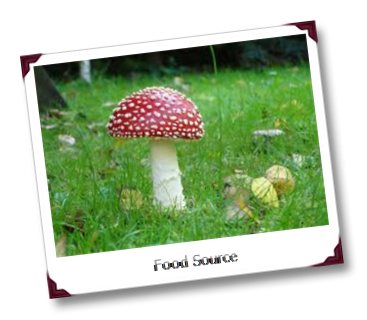
Mushrooms lack true roots. How then are they anchored into the substrates where we find them? This is affected by their tightly interwoven thread-like hyphae, which also colonise the substrates, degrade their biochemical components, and siphon away the hydrolysed organic compounds for their own nutrition.
Tuesday, January 29, 2013
February Flowers

February is the month of Valentine’s Day and bouquets of red roses are a common sight this time of year. But did you know that there are many other species of flower available in February as well?
Wild primroses, crocus and Aubretia can all be found across the UK in February if you know where to look. Despite the chilly weather there are many flowers and plants that will start to emerge this month.
See below for a list of flowers which you can find in February:
Acacia (Mimosa) – Tiny petal-less yellow flowers cover the stems
Aconitum (Monkshood) – Tall spiky flowers, long lasting but poisonous
Alstroemeria (Peruvian Lily) – Very popular and long lasting flowers, often bi-coloured
Amaryllis (Hippeastrum) – Large very striking trumpet shaped flowers, often grown indoors from bulbs
Ammi (Queen Anne’s lace) – Masses of delicate white flowers, ideal as a filler
Anemone (Windflower) – Delicate, papery flowers, available in vibrant and pale colours
Anigozanthus (Kangaroo Paw) – Unusual furry buds with insignificant flowers. Ideal for modern arrangements
Anthurium (Painter’s Palette) – Exotic waxy looking flowers
Aranthera (Scorpion Orchid) – Long lasting orchid with small flowers on upright stems
Asclepias (Milkweed) – Clusters of tiny flowers, ideal as a filler
Aster (Michaelmas daisy) – Popular filler with daisy like flowers on upright stems
Astrantia – Starry mauve or white flowers, slightly unpleasant smell
Arachnis (Spider Orchid) – Long stems with slender petals and spotted flowers
Banksia (Bottlebrush) – Exotic Protea from Australia, large flower heads made up of masses of tiny flowers
Bouvardia – Clusters of small tubular flowers, use with special flower food. Not all colours are available throughout the year
Bupleurum – Insignificant yellow green flowers. Used more as a foliage and as a filler
Marigold (Calendula) – Popular daisy-like flower with a country garden feel
Calla Lily (Zantedeschia, Arum Lily) – Striking single flowers. The coloured varieties are smaller than the white ones, and not all colours are available all year round
Campanula (Canterbury Bells) – Quite large bell shaped flowers, several to a stem
Carnation – Very long lasting. Some new more interesting colours are now available
Carthamus (Safflower) – Unusual slightly thistle like flowers, dries well
Spray Carnation – Long lasting flowers. Some more interesting colours becoming available
Cattleya orchid – Large brightly coloured orchids, usually 1 or 2 per stem
Cestrum – Dense clusters of flowers at the top of straight stems
Ginger (Alpinia) – Large striking tropical flowers
Waxflower (Chamaelaucium) – Small scented flowers ideal as fillers, sold in bud and in flower
Chrysanthemum – Available as large individual showy blooms, or the spray variety. Very long lasting
Craspedia – Small completely round flower head made up of lots of tiny yellow flowers
Crocosmia – Tall spiky flowers generally known as Montbretia when grown as a garden flower.
Cymbidium Orchid – Striking flowers, which flower profusely with up to 12 flowers on each stem
Cynara (Artichoke) – The flower of the artichoke
Delphinium -Tall flower spikes. Also, Larkspur which is a type of delphinium
Dendrobium orchid (Singapore orchid) – Long lasting orchids with several blooms on each erect stem
Echinacea – Daisy like flowers with backward sloping petals
Eremurus (Foxtail Lily) – Large dramatic flowers, usually yellow or orange, with other colours less commonly available
Eryngium (Sea Holly) – Blue thistle like flowers, sometimes the blue is so intense it is hard to believe they are not dyed
Eucharis (Amazon Lily) – Beautiful slightly downward facing delicate flower heads on tall straight stems
Euphorbia (Spurge) – Graceful curving stems with loads of tiny flowers. Note not all colours are available at the same time, check with your florist
Eupatorium – pretty white small flowers, used as a filler
Forsythia – The shrub commonly grown in our gardens for their springtime flowers
Freesia – Highly popular, highly scented flowers
Fritillaria – Exotic looking flowers which hang downwards in a cluster on top of tall straight stems
Genista – Masses of tiny flowers all along the straight leafless stems. Popular filler flower
Gentiana – Long lasting trumpet shaped flowers up straight stems
Gerbera – Large daisy like flowers, a smaller ‘germini’ variety is also available
Gloriosa (Glory Lily) – A very dramatic flower with yellow edged cerise petals. The National Flower of Zimbabwe
Godetia – Several brightly coloured trumpet shaped flowers open up each stem
Gypsophila – Very popular filler flower. New smaller-flowered varieties are now available
Heliconia – Tropical flower with large very dramatic flower heads. Several different types available
Helleborus (Christmas Rose) – Short lived very delicate and subtle flowers
Hyacinth – Popular as a pot plant hyacinth and increasingly popular as a cut flower
Hypericum (St John’s Wort) – Attractive berries rather than flowers make this a very popular filler
Iris – Very popular but short lived flowers
Leucadendron (Safari Sunset) – It is the leaves rather than the flowers which make this popular
Leucospermum (Pincushion Protea) – Large flower heads which resemble a pin cushion. Long lasting
Lily – Available throughout the year, but if you are looking for a particular colour check availability with your florist
Liatris – Tall poker shaped purple flowers
Lilac – A common shrub and highly popular, strongly scented cut flower
Lily of the Valley (Convallaria) – Tiny bell shaped flowers on short stems. Very popular in wedding flowers
Limonium (Sea Lavender) – Popular as a dried flower, all varieties make good fillers, but it can have an unpleasant smell!
Lisianthus (Eustoma) – Popular flowers which open from tightly swirled buds, bi-coloured varieties also available
Lysimachia (Loose Strife) – Arching flower heads on the end of the stems, each made up of a mass of tiny flowers
Moluccella (Bells of Ireland) – Tall stems with a mass of bell shaped flowers
Muscari (Grape hyacinth) – Very small with short stems and clusters of tiny blue flowers
Narcissus (Daffodil) – Needs no description and evokes spring more than any other cut flower
Oncidium orchid (Golden Shower Orchid) – Lots of small yellow flowers along the stem. Miniature hybrids are available in colours other than yellow
Ornithogalum (Chincherinchee) – Fantastically long lasting flower, usually white and less commonly available in yellow
Paphiopedilum orchid (Slipper orchid) – Very large dramatic orchid flowers
Phalaenopsis orchid (Moth Orchid) – Large showy flowers, popular as a pot plant as well as a cut flower especially for weddings
Phlox – English country garden flower. Very popular
Protea – Large exotic flowers with many different varieties
Prunus (Flowering cherry) – Cherry blossom, beautiful delicate flowers on tall straight branches
Ranunculus – Small delicate, papery flowers.
Rose – Needs no description! Almost every colour available except true black or blue
Rudbeckia – Daisy like flower, usually sold without any petals, just the pincushion like centre
Solidago – A popular yellow filler flower
Solidaster – A cross between Solidago and the Aster. Used as a filler
Stephanotis (Wax flower) – Not generally available as a cut flower, but the individual small, waxy, white flowers are often used in bridal work
Strelitzia (Bird of Paradise) – Unmistakable large and exotic flowers with blue and orange flowers
Sunflower (Helianthus) – Striking, large daisy like flowers, usually yellow but more unusual rusty colours are becoming available
Tanecetum – A type of chrysanthemum with small button shaped flowers
Trachelium – Masses of tiny flowers create a large flat flower head
Tuberose (Polianthes) – Highly scented flowers on tall stems
Tulip – One of the most popular cut flowers in the UK with many different varieties
Veronica (Speedwell) – Delicate flower spikes add contrast to arrangements
Viburnum (Snowballs) – Short lived but increasingly popular. Each flower head is made up of a mass of tiny flowers
Vanda – Usually 6 – 8 blooms per flower stem, the petals often have a marbled appearance
Vuylstekeara – A hybrid orchid, with highly patterned petals
Source of Article: http://www.flowers.org.uk
Tillage-An Overview
Tillage operations in various forms have been practiced from the very inception of growing plants.Primitive man used tools to disturb the soils for placing seeds. The word tillage is derived from the Anglo-Saxon words tilianand teolian, meaning to plough and prepare soil for seed to sow, to cultivate and to raise crops. Jethrotull, who is considered as Father of tillagesuggested that thorough ploughing is necessary so as to make the soil into fine particles.DEFINITION
Tillagerefers to the mechanical manipulation of the soil with tools and implements so as to create favourable soil conditions for better seed germination and subsequent growth of crops. Tilth is a physical condition of the soil resulting from tillage. Tilth is a loose friable (mellow), airy, powdery, granular and crumbly condition of the soil with optimum moisture content suitable for work-ing and germination or sprouting of seeds and propagules i.e., tilth is the ideal seed bed.CHARACTERISTICS OF GOOD TILTH
Good tilth refers to the favourable physical conditions for germination and growth of crops. Tilth indicates two properties of soilviz., the size distribution of aggregates and mellowness or friability of soil. The relative proportion of different sized soil aggregates is known as size distribution of soil aggregates. Higher percentages of larger aggregates with a size above 5 mm in diameter are necessary for irrigated agriculture while higher percentage of smaller aggregates (1–2 mm in diameter) are desir-able for rainfed agriculture. Mellowness or friability is that property of soil by which the clods when dry become more crumbly. A soil with good tilth is quite porous and has free drainage up to water table. The capillary and non-capillary pores should be in equal proportion so that sufficient amount of water and free air is retained respectively.
OBJECTIVESTillage is done:
• To prepare ideal seed bed favourable for seed germination, growth and establishment;
• To loosen the soil for easy root penetration and proliferation;
• To remove other sprouting materials in the soil;
• To control weeds;
• To certain extent to control pest and diseases which harbour in the soil;• To improve soil physical conditions;
• To ensure adequate aeration in the root zone which in turn favour for microbial and biochemical
activities;
• To modify soil temperature;
• To break hard soil pans and to improve drainage facility;
• To incorporate crop residues and organic matter left over;
• To conserve soil by minimizing the soil erosion;
• To conserve the soil moisture;
• To harvest efficiently the effective rain water;
• To assure the through mixing of manures, fertilizers and pesticides in the soil;
• To facilitate water infiltration and thus increasing the water holding capacity of the soil, and
• To level the field for efficient water management
TYPES OF TILTHFine Tilth refers to the powdery condition of the soil.
Coarse Tilth refers to the rough cloddy condition of the soil.
Fine seedbed is required for small seeded crops like ragi, onion, berseem, tobacco.
Coarse seedbed is needed for bold seeded crops like sorghum, cotton, chickpea, lab-lab etc.TYPES OF TILLAGE
1. On Season Tillage:It is done during the cropping season (June–July or Sept.–Oct.).
2. Off Season Tillage:It is done during fallow or non-cropped season (summer).
3. Special Types of Tillage:It is done at any time with some special objective/purpose.On Season Tillage
Tillage operations done for raising the crops in the same season or at the onset of the crop season are called as on season tillage. They are,
A. Preparatory TillageIt refers to tillage operations that are done to prepare the field for raising crops. It is divided into three types viz., (i) primary tillage, (ii) secondary tillage, and (iii) seed bed preparation.
(i) Primary tillage - The first cutting and inverting of the soil that is done after the harvest of the
crop or untilled fallow, is known as primary tillage. It is normally the deepest operation performed during the period between two crops. Depth may range from 10–30 cm. It includes ploughing to cut and invert the soil for further operation. It consists of deep opening and loosening the soil to bring out the desirable tilth. The main objective is to control weeds to incorporate crop stubbles and to restore soil structure.
(ii) Secondary tillage - It refers to shallow tillage operation that is done after primary tillage to bring a good soil tilth. In this operation the soil is stirred and conditioned by breaking the clods and crust, closing of cracks and crevices that form on drying. Incorporation of manures and fertilizers, leveling, mulching, forming ridges and furrows are the main objectives. It includes cultivating, harrowing, pulverizing, raking, leveling and ridging operations.
(iii) Seed bed preparation - It refers to a very shallow operation intended to prepare a seed bed or make the soil to suit for planting. Weed control and structural development of the soil are the objectives.B. Inter Tillage/Inter Cultivation
It refers to shallow tillage operation done in the filed after sowing or planting or prior to harvest of crop plants i.e.,tillage during the crop stand in the field. It includes inter cultivating, harrowing, hoeing, weeding, earthing up, forming ridges and furrows etc. Inter tillage helps to incorporate top dressed manures and fertilizers, to earth up and to prune roots.Off Season Tillage
Tillage operation is done for conditioning the soil during uncropped season with the main objective of water conservation, leveling to the desirable grade, leaching to remove salts for soil reclamation reduc-ing the population of pest and diseases in the soils. etc. They are:
(a) Stubble or Post harvest tillage - Tillage operation carried out immediately after harvest of crop to clear off the weeds and crop residues and to restore the soil structure. Removing of stiff
stubbles of sugarcane crop by turning and incorporating the trashes and weeds thus making the soil ready to store rain water etc., are the major objectives of such tillage operations.
(b) Summer tillage - Operation being done during summer season in tropics to destroy weeds and soil borne pest and diseases, checking the soil erosion and retaining the rain water through
summer showers. It affects the soil aggregates, soil organic matter and sometimes favour wind erosion. It is called as Kodai uzavu in Tamil Nadu state.
(c) Winter tillage -It is practiced in temperate regions where the winter is severe that makes the field unfit for raising crops. Ploughing or harrowing is done in places where soil condition is optimum to destroy weeds and to improvethe physical condition of the soil and also to incor-porate plant residues.
(d) Fallow tillage - It refers to the leaving of arable land uncropped for a season or seasons for various reasons. Tilled fallow represent an extreme condition of soil disturbance to eliminate all weeds and control soil borne pest etc. Fallow tilled soil is prone to erosion by wind and water and subsequently they become degraded and depleted.


A. M. Awan (Author)
A M Awan Currently working as Marketing Executive at Oasis Agro Industries Pakistan, and hobbies to read about agriculture, share latest information with others
MAKING A HOBBY OF BEEKEEPING

Beekeeping, though, is more than just a profit-making activity: it can also be a fascinating, environmentally sound hobby that can totally absorb you. Beekeeping in many countries is predominantly a hobby activity. The numbers of commercial beekeepers who ‘farm’ bees are comparatively few and, in some countries such as the UK and many other European countries, they are a tiny proportion of the whole, and the ‘whole’ is but a tiny proportion of the population. Why, then, are governments interested in this small group of people and their hobby?
The answer is that, whether beekeepers are hobbyists or commercial operators, they have bees, and the national agricultural sector and the countryside commissions rely totally on these bees. The fewer the commercial beekeepers there are, the more hobbyists are needed to keep these vital sectors going.
Honey-bees are not domestic animals. They are wild and, unlike horses and cows and other livestock, they don’t recognize beekeepers as their ‘owners’. Having said that, recent research has shown that, despite the small size of its brain, a bee can recognize human faces if trained to do so and can remember them for two days. Scientists hope that, by studying this amazing ability further, they will be able to develop better face recognition computer software. It is unlikely, however, that the average beekeeper will find their bees flocking to them on sight.Bees (like other insects) are assumed to act on instinct alone. However, they can also ‘learn’ – and not only learn a primary task but they can also learn and remember a secondary task resulting from the first. Like most other life forms, their daily life involves family (colony) survival and the propagation of their species.
Friday, January 11, 2013
Nitrogen, Phosphorus, Potassium Impotrance


